How to Attribute Scientific Icons and Illustrations Correctly
In This Article
When you use scientific icons and illustrations in your research papers, presentations, or educational materials, knowing how to attribute scientific icons correctly is crucial for both legal compliance and professional integrity. Whether you're illustrating a complex biochemical pathway or adding visual elements to make your slides more engaging, proper attribution protects you from copyright issues while giving deserved credit to the creators.

The challenge is that scientific icons come from diverse sources, each with different licensing requirements. Some require full attribution with specific formatting, while others only need a simple credit line. Understanding these nuances can mean the difference between professional compliance and potential legal trouble.
Understanding License Types for Scientific Icons
Before you can properly attribute scientific icons, you need to understand the different types of licenses you'll encounter. Creative Commons licenses are among the most common in scientific publishing, but they vary significantly in their requirements.
Creative Commons BY (Attribution) licenses require you to credit the creator but allow commercial use and modifications. These are typically the easiest to work with in academic contexts. You'll need to include the creator's name, the source, and ideally a link to the original work.
Creative Commons BY-SA (Attribution-ShareAlike) licenses require attribution plus sharing any derivative works under the same license. If you modify an icon with this license, your entire work might need to adopt the same licensing terms.
Creative Commons BY-NC (Attribution-NonCommercial) licenses prohibit commercial use entirely. This can be tricky in academic settings where research might later be used commercially or where universities technically operate as commercial entities.
Proprietary licenses from stock photo sites, scientific illustration companies, or individual artists often have specific attribution requirements spelled out in their terms of service. These requirements can range from simple credit lines to complex formatting specifications.
Public domain works require no attribution legally, but professional courtesy suggests acknowledging the source when known. Many historical scientific illustrations and government-created graphics fall into this category.
How to Attribute Scientific Icons in Research Papers
Research papers have established conventions for attribution that editors and peer reviewers expect to see. The key is integrating icon attribution seamlessly into your existing citation style while meeting legal requirements.
For figures containing multiple icons, create a comprehensive figure caption that addresses each element. For example: "Figure 2: Cellular respiration pathway showing glucose metabolism (glucose icon adapted from BioIcons, CC BY 4.0), mitochondrial structure (original illustration by Dr. Sarah Chen, used with permission), and ATP synthesis (icon from Noun Project, CC BY 3.0)."
In the methods section, include a brief statement about icon sources if you've used many throughout the paper. Something like: "Scientific icons were sourced from BioIcons (bioicons.com), the Noun Project, and custom illustrations created using laboratory protocols." This provides transparency without cluttering individual figure captions.
Your reference list should include detailed citations for any icons that require formal attribution. Format these similar to other visual sources: "Chen, S. (2023). Mitochondrial structure illustration [Digital image]. Personal communication." or "BioIcons. (2023). Glucose molecule icon [Digital image]. https://bioicons.com/glucose-icon. CC BY 4.0."
When space is limited in journals with strict formatting requirements, use abbreviations consistently. Develop a system like "(BI-CC)" for BioIcons Creative Commons or "(NP-CC)" for Noun Project Creative Commons, then define these abbreviations in your methods or acknowledgments section.
Handling Modified Icons in Papers
Scientific research often requires modifying existing icons to fit specific contexts or combine multiple elements. When you modify icons, your attribution needs reflect these changes appropriately.
For substantial modifications, use phrases like "adapted from" or "modified from" rather than direct attribution. This signals that you've changed the original work while still crediting the source. Include details about modifications when relevant: "Protein structure adapted from PDB illustration by Smith et al. (2022), with active sites highlighted in red."
Some licenses require you to indicate changes explicitly. Creative Commons licenses often mandate stating "This is a derivative work" or similar language. Check the specific license terms for exact wording requirements.
When combining multiple icons into a single figure, attribute each component separately unless you're creating something entirely new that only uses the icons as inspiration rather than direct incorporation.
Attribution Best Practices for Scientific Presentations
Presentation slides have different attribution needs than formal papers, but the principles remain similar. The challenge is balancing legal requirements with visual design and audience attention.
Create a dedicated acknowledgments slide at the end of your presentation listing all icon sources. This keeps your content slides clean while ensuring proper attribution. Format it clearly: "Icons courtesy of: BioIcons (bioicons.com, CC BY 4.0), The Noun Project (thenounproject.com, various CC licenses), Custom illustrations by [Your Lab Name]."
For presentations where you use many icons throughout, consider adding small attribution text in the footer or corner of slides. Keep it minimal but visible: "Icons: BioIcons CC-BY" or similar short forms.
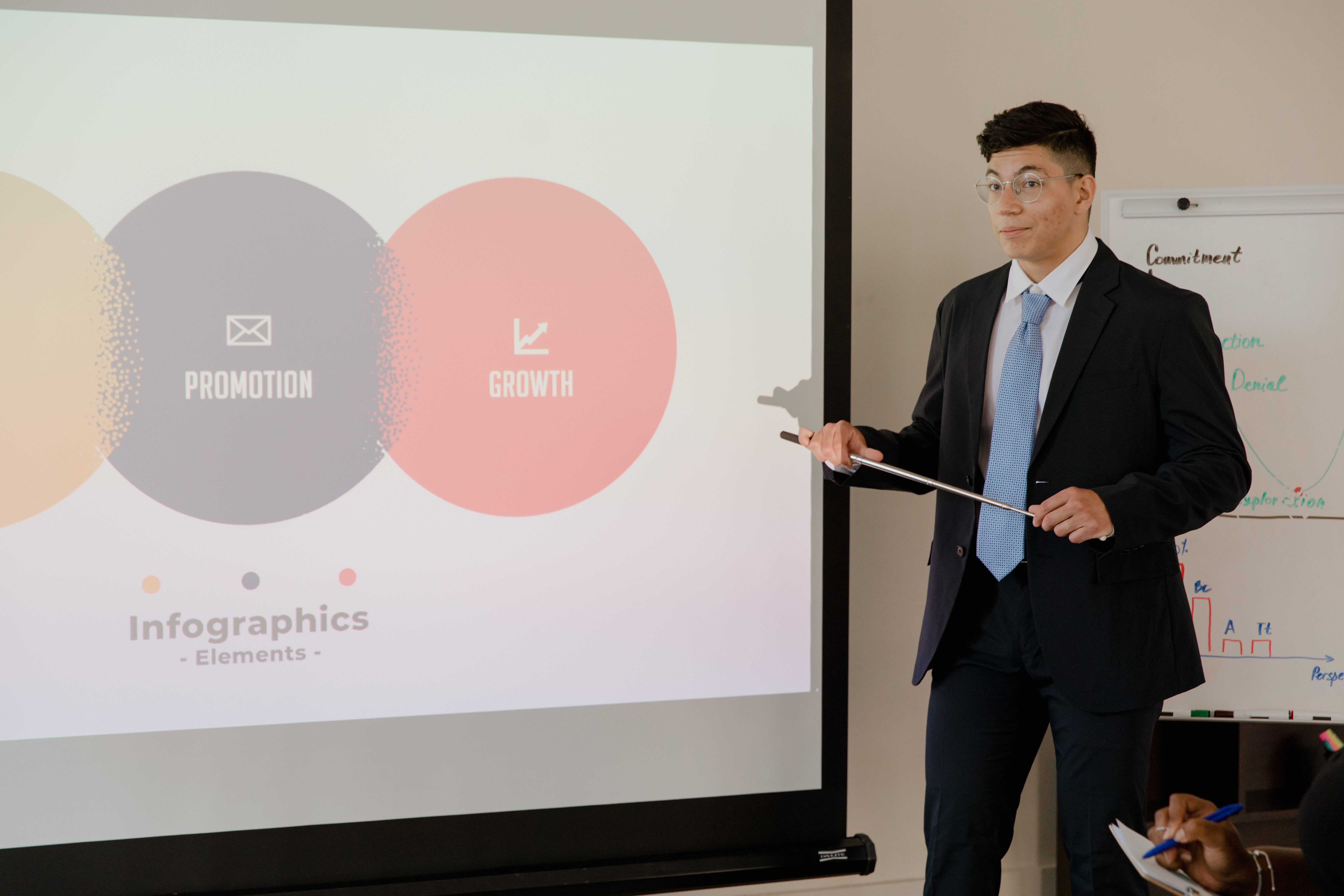
When presenting at conferences, remember that your slides might be shared, published in proceedings, or posted online later. Attribution that seems unnecessary during the live presentation becomes crucial for these secondary uses.
Educational presentations often have more flexible attribution requirements, but maintaining consistent practices builds good habits and professional credibility. Students and colleagues notice attention to detail in attribution practices.
Digital Presentation Considerations
Digital presentations offer unique opportunities for dynamic attribution. Hyperlinks in PDF presentations can connect directly to icon sources, making verification easy for interested viewers.
When sharing presentations online, ensure attribution information remains accessible. PDF exports sometimes lose hyperlinks, so include full URLs in text form as backup.
Interactive presentations can include hover-over attribution information, but always provide a static backup method since not all viewers can access interactive features.
Common Attribution Mistakes to Avoid
Even well-intentioned researchers make attribution errors that can cause problems later. Understanding common mistakes helps you develop better practices from the start.
Generic attribution like "Icons from the internet" or "Various online sources" provides no useful information and offers no legal protection. Vague attribution suggests carelessness and can undermine the credibility of your entire work.
Assuming all "free" icons are public domain represents a dangerous misconception. Many free icons still require attribution or have other restrictions. Free doesn't mean unrestricted, and failing to read license terms can lead to violations.
Inconsistent attribution practices within a single document look unprofessional and suggest incomplete attention to detail. If you attribute some icons thoroughly, readers expect the same treatment for all visual elements.
Over-attribution can also be problematic. Not every simple geometric shape or basic scientific symbol requires detailed attribution. Focus on distinctive illustrations, complex icons, or anything with clear creative expression.
Failing to update attribution when sharing work in new contexts causes frequent problems. A presentation created for internal lab use might need additional attribution when shared at conferences or published later.

Technical Attribution Errors
Broken links in digital attribution render the information useless for verification. Test links before final publication and consider using archived versions for long-term stability.
Incorrect license identification can lead to compliance failures even with good intentions. When in doubt, contact the creator directly rather than guessing license terms.
Missing version information for icons that update regularly can cause confusion. Some scientific icon databases update their offerings frequently, making version specification important for reproducibility.
Tools and Resources for Proper Attribution
Managing attribution across multiple projects becomes easier with systematic approaches and helpful tools. Developing consistent workflows prevents errors and saves time.
Reference management software like Zotero, Mendeley, or EndNote can store icon attribution information alongside traditional citations. Create custom item types for visual resources or use note fields to track license requirements.
Spreadsheet templates help track icon usage across projects. Include columns for icon description, source, license type, attribution requirements, and usage location. This systematic approach prevents oversight and simplifies compliance checking.
When you create with Graffiy, our platform automatically tracks the sources and licensing information for all design elements, making attribution significantly easier for researchers and educators who need to maintain compliance standards.
Browser bookmarks organized by license type speed up sourcing decisions. Create folders for CC-BY sources, public domain collections, and paid resources with clear attribution requirements.
The Creative Commons license chooser helps you understand different license types and their requirements. When you're unsure about license implications, this official resource provides authoritative guidance.
Building Attribution Templates
Standardized attribution templates ensure consistency and completeness across your work. Develop templates for different contexts: journal papers, conference presentations, educational materials, and online publications.
Include all necessary elements in your templates: creator name, work title, source location, license type, and any required disclaimers. Having complete templates prevents forgotten elements under deadline pressure.
Share templates with lab members or colleagues to maintain consistent practices across collaborative work. Consistency in attribution practices reflects well on your entire research group.
Legal and Ethical Considerations
Beyond basic compliance, proper attribution reflects broader ethical principles that strengthen scientific communication. Understanding these principles helps you make better decisions in complex situations.
Respect for intellectual property extends beyond legal requirements to professional courtesy and community building. Scientists who create quality illustrations invest significant time and skill. Recognition through proper attribution supports continued creation and sharing.
Transparency in source acknowledgment builds trust with readers and reviewers. When you clearly document all visual sources, you demonstrate thoroughness and attention to detail that extends to other aspects of your research.
International copyright laws vary significantly, but proper attribution practices generally meet requirements across jurisdictions. When publishing internationally or collaborating across borders, comprehensive attribution provides safer legal ground.
Fair use provisions in copyright law don't eliminate attribution requirements and can be complex to interpret correctly. When in doubt, full attribution offers better protection than fair use claims.
Institutional policies often have specific requirements for visual content licensing and attribution. Check with your university or organization's legal department when working with substantial amounts of copyrighted visual material.
Professional Standards and Community Expectations
Scientific communities have evolving expectations around visual content attribution that go beyond minimum legal requirements. Staying current with these standards maintains your professional reputation.
Journal editorial policies increasingly address illustration sourcing and attribution requirements. Familiarize yourself with target journals' specific requirements before submission to avoid delays or rejections.
Conference presentation guidelines often include attribution requirements that presenters overlook. Review presenter guidelines carefully and ask organizers about specific requirements when unclear.
Professional societies in various fields are developing position statements on visual content attribution. Following these emerging standards positions you as a thoughtful member of your scientific community.
The shift toward open science practices includes expectations for transparent sourcing of all research materials, including visual elements. Comprehensive attribution aligns with broader movements toward research reproducibility and transparency.
Frequently Asked Questions
Do I need to attribute scientific icons if I modify them significantly?
Yes, you should still provide attribution when modifying scientific icons, but use language like "adapted from" or "modified from" to indicate changes. Many licenses explicitly require noting when you've created derivative works. Check the specific license terms for exact requirements about modifications.
How do I attribute scientific icons when space is limited in journal figures?
Use abbreviated attribution in figure captions and provide full details in your methods section or references. Develop consistent abbreviations like "(BI-CC)" for BioIcons Creative Commons sources. Most journals accept this approach when space constraints make full attribution impractical in captions.
What's the difference between citing and attributing visual content?
Citations reference sources for ideas or information, while attribution specifically credits creators of visual content and often includes license information. Scientific icons typically need attribution rather than traditional citations, though some may require both depending on how you use them and journal requirements.
Written by
Shobajo AbdulAzeez
Tags
Share this article