The Best Free Cell Biology Icons for Scientific Figures and Presentations
In This Article
Creating compelling scientific figures requires more than just data. You need clear, professional cell biology icons that accurately represent cellular structures, lab equipment, and molecular processes. Whether you're preparing a research presentation, designing educational materials, or publishing a paper, the right visual assets can make your work more accessible and impactful.
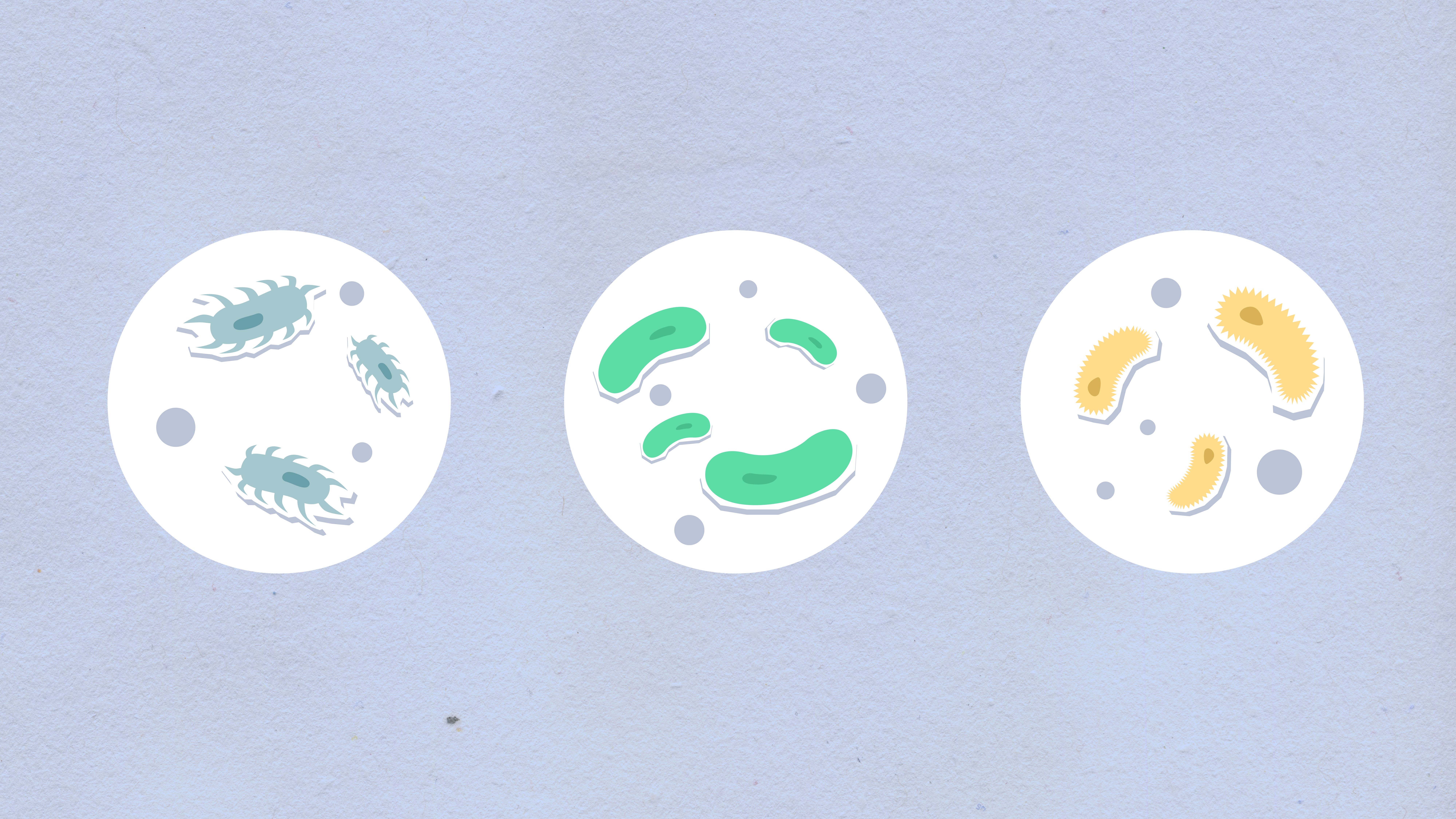
Finding high-quality, scientifically accurate icons can be challenging. Many generic icon sets lack the specificity needed for biological research, while custom illustration services can be expensive and time-consuming. That's why we've compiled this comprehensive list of the best free cell biology icons available online.
Essential Organelle Cell Biology Icons You Need
Organelles are the fundamental building blocks of cellular biology figures. The most useful icon sets include representations of major cellular components like the nucleus, mitochondria, endoplasmic reticulum, Golgi apparatus, lysosomes, and ribosomes. These structures appear frequently in research presentations and educational materials.
When selecting organelle icons, look for sets that maintain consistent styling and scale. Vector-based icons work best because they remain crisp at any size, whether you're creating a small diagram for a paper or a large poster presentation. The icons should be scientifically accurate while remaining simple enough to be easily recognizable.
Many researchers prefer icons that can be easily customized with different colors to match their presentation themes or to highlight specific cellular processes. Monochrome icons offer the most flexibility, allowing you to apply your own color schemes while maintaining visual consistency across your figures.
Top Free Icon Libraries for Cellular Biology
Several online platforms offer excellent collections of scientific icons specifically designed for biological research. Flaticon provides one of the largest databases of free icons, including dedicated sections for scientific and medical illustrations. Their cell biology collection includes both basic organelles and more specialized structures.
The Noun Project stands out as another valuable resource for researchers. Their crowdssourced approach means you'll find diverse artistic interpretations of biological concepts, from simple line drawings to more detailed illustrations. Many icons are available under Creative Commons licenses, making them suitable for academic use.
For researchers seeking more specialized content, BioRender offers a free tier that includes access to basic cellular components. While their premium features require a subscription, the free version provides enough assets for many research presentations and educational materials.
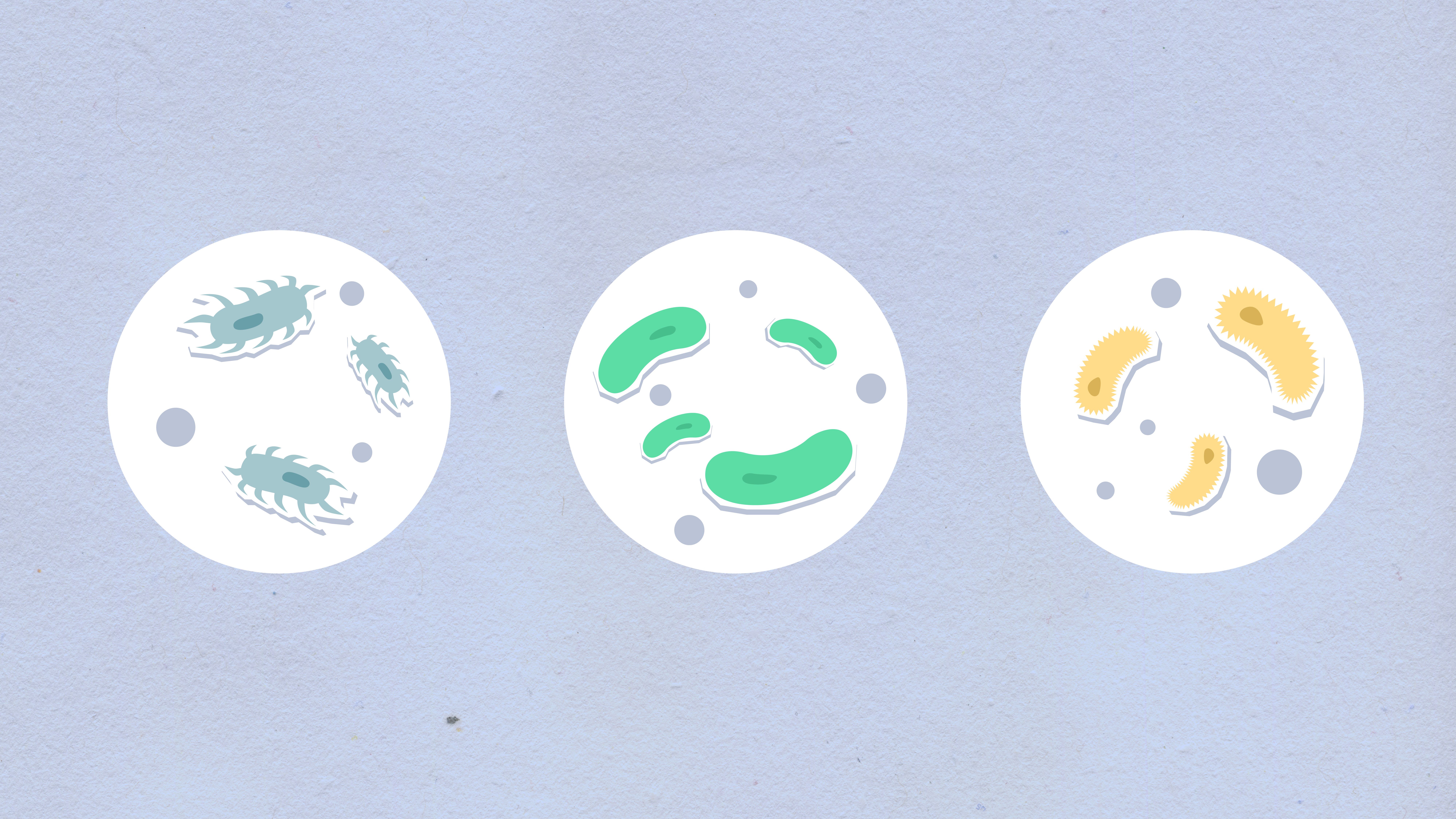
Government and academic institutions also provide valuable resources. The National Institutes of Health and various universities maintain icon libraries specifically designed for scientific communication. These resources often emphasize accuracy over artistic flair, making them ideal for formal research presentations.
Evaluating Icon Quality and Accuracy
Not all free icons meet the standards required for scientific work. When evaluating potential assets, consider both visual appeal and biological accuracy. Icons should represent structures in ways that align with current scientific understanding, avoiding outdated or oversimplified representations.
Pay attention to file formats and resolution. Vector formats like SVG offer the best flexibility for scientific figures, allowing unlimited scaling without quality loss. PNG files work well for most applications but may become pixelated when enlarged significantly.
License terms matter significantly in academic and commercial contexts. Some free icons require attribution, while others are completely unrestricted. Always verify the licensing terms before incorporating icons into published work or commercial presentations.
Laboratory Equipment and Research Tool Icons
Beyond cellular structures, effective scientific communication often requires icons representing laboratory equipment and research tools. Essential lab equipment icons include microscopes, pipettes, test tubes, petri dishes, centrifuges, and various measurement devices. These assets help illustrate experimental procedures and research methodologies.
The best laboratory equipment icon sets maintain consistent perspective and styling across different instruments. This consistency helps create professional-looking workflow diagrams and experimental schematics. Look for sets that include both individual equipment pieces and complete laboratory setups.
Many icon libraries organize laboratory equipment by research area or function. You might find separate collections for molecular biology tools, cell culture equipment, and analytical instruments. This organization makes it easier to find specific items and maintain thematic consistency in your figures.
Consider the level of detail appropriate for your audience and purpose. Highly detailed icons work well for educational materials where you want to teach equipment recognition. Simplified, symbolic representations often work better in research presentations where the focus should remain on data and conclusions rather than equipment specifics.
Specialized Research Icons
Advanced research often requires icons for specialized techniques and equipment. Flow cytometry, confocal microscopy, western blotting, and PCR machines all benefit from dedicated visual representations. Some icon libraries include these specialized items, though coverage varies significantly.
When specialized icons aren't available, consider how general laboratory icons might be adapted or combined to represent your specific needs. A generic computer icon might represent data analysis, while combining tube and heating icons could suggest incubation processes.
Molecular Pathway and Process Visualization
Biological processes and molecular pathways require dynamic visual elements that static organelle icons cannot provide. Arrow icons, connector elements, and process indicators help illustrate how cellular components interact and change over time. These elements transform simple structural diagrams into informative process illustrations.
The most useful pathway visualization assets include various arrow styles, branching connectors, and symbols for different types of molecular interactions. Inhibition, activation, binding, and catalysis each benefit from distinct visual representations that help readers quickly understand complex biological relationships.

Color coding becomes particularly important in pathway diagrams. Many researchers use consistent color schemes where red indicates inhibition, green shows activation, and blue represents binding interactions. Icon sets that support easy color customization provide the most flexibility for creating clear, informative pathway diagrams.
When creating pathway diagrams, consider both the molecular level interactions and the overall flow of information. Icons should guide the reader's eye through the process logically, with clear start and end points and obvious directional flow throughout the diagram.
Dynamic Process Indicators
Some biological processes benefit from icons that suggest movement or change over time. Rotation symbols, oscillating arrows, and gradient indicators can help illustrate dynamic processes like protein folding, membrane transport, or enzymatic reactions.
Time-course experiments often require special consideration in icon selection. Sequential numbering, clock symbols, or progressive color changes can help readers understand temporal relationships in experimental data presentation.
Integrating Icons with Graffiy for Professional Results
While free icon libraries provide excellent starting points, creating truly professional scientific figures requires thoughtful integration and customization. When you create with Graffiy, you can easily import and customize these free icons alongside AI-powered design tools specifically built for scientific communication.
The platform's vector-based editing capabilities allow you to modify colors, sizes, and arrangements to create cohesive figure layouts. You can combine icons from multiple sources while maintaining consistent styling throughout your research presentations or publications.
Consider creating a personal icon library with your most frequently used assets. This approach saves time during figure creation and ensures consistency across multiple projects. Standardized icon usage also helps establish your research group's visual identity in presentations and publications.

Best Practices for Icon Implementation
Effective icon usage goes beyond simply placing graphics in your figures. Scale relationships should reflect biological reality when possible. A mitochondrion icon should appear smaller than a nucleus icon, and bacterial cells should be noticeably smaller than eukaryotic cells in comparative diagrams.
Consistent spacing and alignment create professional-looking figures that don't distract from your scientific message. Grid-based layouts often work well for organizing multiple cellular components or experimental conditions. White space around icons prevents overcrowding and improves overall readability.
Typography coordination matters significantly in scientific figures. Icon styles should complement your chosen fonts and overall design aesthetic. Avoid mixing highly detailed icons with minimalist text treatments, or combining cartoon-style graphics with formal academic presentations.
Advanced Tips for Scientific Icon Usage
Professional scientific communication requires attention to subtle details that distinguish amateur from expert figure design. Icon shadows, gradients, and three-dimensional effects should be used sparingly and consistently. These visual elements can add depth and interest but can also become distracting if overused.
Layer organization becomes crucial when working with complex figures containing multiple icons and data elements. Group related icons together and maintain clear visual hierarchies that guide readers through your scientific narrative. Background elements should support rather than compete with foreground data.
Consider your audience's expertise level when selecting icon complexity and labeling strategies. Educational materials for students might benefit from detailed, labeled icons, while research presentations for experts can use more simplified, symbolic representations that don't distract from data interpretation.
Cultural considerations matter in international scientific communication. Some symbols and color associations vary across cultures, so consider your audience when making design choices. Universal scientific symbols and conventions generally work best for broad international audiences.
Future-Proofing Your Icon Strategy
Scientific understanding evolves, and your icon choices should accommodate new discoveries and changing terminology. Avoid icons that reflect outdated scientific models or nomenclature. Choose flexible, adaptable designs that remain relevant as research advances.
File organization and version control become important as your icon library grows. Maintain clear naming conventions and folder structures that allow easy location of specific assets. Regular backups ensure you don't lose valuable customized icons or carefully curated collections.
Stay informed about new icon resources and changing licensing terms for your existing assets. Scientific icon libraries continue to expand, and new resources emerge regularly that might better serve your research communication needs.
Frequently Asked Questions
Are free cell biology icons suitable for published research papers?
Yes, most free cell biology icons can be used in published research, but always check the specific license terms. Many icons require attribution or have restrictions on commercial use. Creative Commons and public domain icons typically offer the most flexibility for academic publishing.
What file format should I choose for cell biology icons in scientific figures?
Vector formats like SVG are ideal because they scale infinitely without quality loss. PNG files work well for most applications but may pixelate when enlarged. Avoid low-resolution JPEGs for scientific figures as they can appear unprofessional and unclear.
How do I maintain consistency when using icons from different sources?
Choose icons with similar artistic styles and line weights from each source. Use consistent colors and sizing across all icons in your figures. Consider creating a style guide for your research group to ensure uniformity across presentations and publications.
Written by
Shobajo AbdulAzeez
Tags
Share this article