
Canva vs Figma for labs: Template Speed or Systems Thinking?
In This Article
Canva vs Figma for labs is really a question about how your lab communicates science. If you need a seminar flyer by 3 p.m., Canva feels wonderfully quick. If you need a poster system, figure library, grant graphic workflow, and review process that survives staff turnover, Figma starts to look smarter.
For lab managers and communications staff, the choice is not about which tool is more fashionable. It is about where design work gets stuck. Templates solve one kind of bottleneck. Shared systems solve another. The trick is knowing which bottleneck costs your team more time.
Canva vs Figma for labs: the core tradeoff
The practical split is simple. Canva is built for quick production from templates. Figma is built for collaborative interface and visual system design. Both can make polished lab graphics, but they reward different habits.
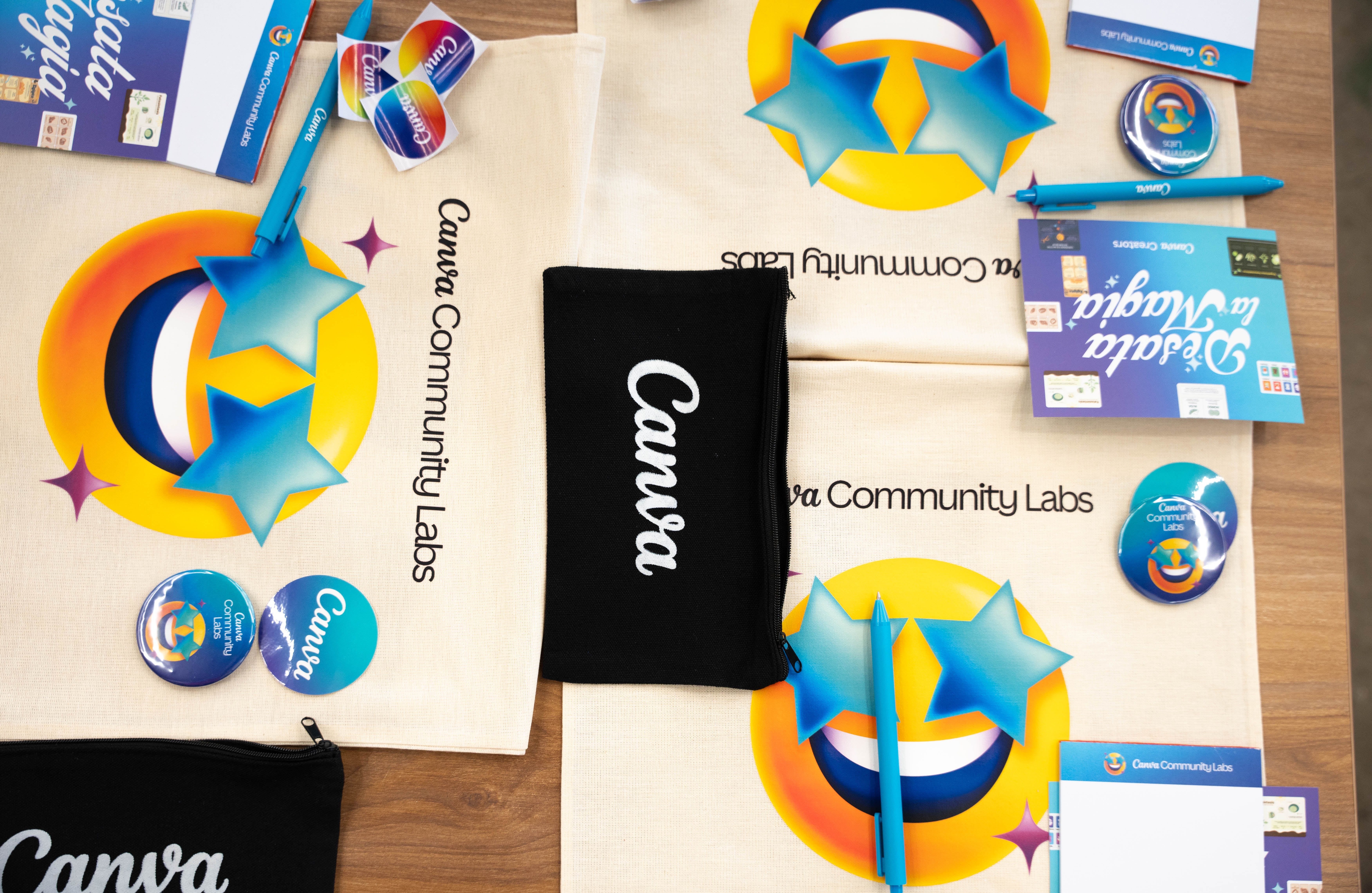
Canva helps when your team needs repeatable social posts, event cards, simple slide graphics, recruitment flyers, and outreach materials. A communications coordinator can open a template, swap text, change a photo, and publish quickly. That speed matters in labs where design is a side job, not a full role.
Figma helps when your team needs structured collaboration. It is stronger when multiple people must shape a visual language together. Think shared components, reusable diagram elements, version history, comments, and handoff between scientists, designers, and web teams.
So the Canva vs Figma for labs decision should start with workflow, not features. Ask one blunt question: are we mostly producing one-off assets, or are we building a communication system?
Where Canva wins: fast templates and low friction
Canva is often the easiest way to get non-designers creating acceptable materials. That is not a small thing. Labs need speed, especially when announcements, conferences, and public engagement deadlines collide.
The template library is Canva's strongest advantage. A lab assistant can find a layout for a symposium poster teaser, edit it, and keep moving. The learning curve is gentle. Most people understand the interface within minutes. For teams with rotating students, interns, or part-time comms support, that matters.
Canva also works well for routine brand expression. You can store logos, colors, fonts, and common layouts in a brand kit. That reduces the number of odd-looking flyers floating around department channels. It also keeps small design tasks from landing on the same overworked person every week.
Another benefit is publishing convenience. Canva is comfortable for social media, short presentations, print handouts, and simple web graphics. If your lab mostly needs outreach collateral, Canva may cover 80 percent of the work with very little setup.
Still, speed has a cost. Templates can make different labs look strangely alike. Scientific visuals can become decorative rather than explanatory. If your work depends on precise diagrams, data-informed visuals, or a recognizable research identity, Canva's convenience can become limiting.
Where Figma wins: collaboration, structure, and visual systems
Figma is not just a drawing tool. It is a collaborative workspace for designing systems. That is why product teams use it, and it is why larger research groups may find it useful.
In Figma, you can create reusable components for figure styles, icons, annotation labels, pathway blocks, device diagrams, and layout grids. When a component changes, related designs can update. That is useful for labs with recurring visual patterns, such as cell signaling pathways, instrument workflows, trial diagrams, or cohort timelines.
Figma also handles review better than many template tools. Scientists can comment directly on a diagram, ask for terminology changes, or flag a misleading visual cue. Communications staff can respond in context instead of sorting through email threads named final, final2, and actually-final.
The collaborative canvas encourages systems thinking. You can map a conference poster beside its related slide deck, graphical abstract, website graphic, and press image. That view helps teams see whether their scientific story is consistent across channels.
The tradeoff is that Figma needs more design discipline. Someone has to define components, naming rules, file structure, and permissions. Without that, Figma can become a beautiful mess. For a lab that only needs quick event assets, that setup may be too much.
The idea of a design system is well documented in the broader design field. The Nielsen Norman Group explanation of design systems is a useful primer if your team is deciding whether a shared visual system is worth building.
Decision table for lab managers and communications staff
The easiest way to compare these tools is to connect them to actual lab tasks. Here is a practical view of Canva vs Figma for labs when the audience is a research group, not a design agency.
| Lab need | Canva fit | Figma fit | Best choice |
|---|---|---|---|
| Event flyers and social posts | Very strong | Possible, but slower | Canva |
| Reusable scientific diagram library | Limited | Strong | Figma |
| Quick student onboarding | Strong | Moderate | Canva |
| Multi-person figure review | Moderate | Strong | Figma |
| Brand kit for outreach | Strong | Strong with setup | Depends on scale |
| Long-term communication system | Moderate | Very strong | Figma |
This comparison also shows why many labs end up using both. Canva can handle high-volume, low-risk communication. Figma can hold the deeper visual system that guides complex diagrams and campaigns.
However, using both tools without rules creates confusion. Your team needs to know which assets belong where. Otherwise, people rebuild the same diagram in three places and no one knows which version is current.
Scientific accuracy changes the comparison
General design tools are not built around scientific accuracy. This is the part many comparison articles ignore. A pretty layout is not enough when a receptor is mislabeled, a molecular pathway implies the wrong direction, or a microscopy illustration uses misleading scale.
Canva's template-first model can push users toward visual polish before scientific clarity. That is fine for an open house announcement. It is risky for mechanism figures, research summaries, and grant graphics. You may spend more time correcting the science than building the asset.
Figma gives you more control, but it does not automatically understand science. You can create precise systems, but your team must define them. That requires time from people who already have enough to do.
This is where a scientific design platform can sit between speed and structure. With create with Graffiy, you can generate and refine scientific visuals with research communication in mind. It does not replace judgment, but it can reduce the blank-page problem and help teams move from idea to usable visual faster.
For lab managers, the point is not to collect more tools. The point is to reduce rework while protecting clarity. If a tool makes inaccurate visuals faster, it is not saving time.
Template speed is useful, but it can hide design debt
Canva's speed feels great because it solves the visible problem: we need something now. But labs also accumulate design debt. That debt appears as inconsistent figures, outdated logos, mismatched color palettes, forgotten slide templates, and diagrams that only one former postdoc can edit.
Design debt becomes painful during major moments. A center renewal, grant resubmission, department review, donor visit, or conference campaign exposes every inconsistency. Suddenly the team needs a coherent visual story, not just a folder of attractive files.
Figma addresses design debt better because it encourages shared libraries and reusable patterns. When managed well, it gives the lab a visual memory. New staff can see how diagrams are built. Communications teams can adapt existing parts instead of starting over.
But Figma can create its own debt if no one maintains the system. Components need names. Files need owners. Old assets need archiving. A neglected Figma workspace is not a system. It is a storage unit with better zoom controls.
The honest answer in Canva vs Figma for labs is that neither tool fixes poor workflow by itself. Canva accelerates production. Figma organizes thinking. Your process decides whether either tool helps.
Collaboration is not the same as everyone editing everything
Labs often mistake access for collaboration. Giving everyone permission to edit a design file can create chaos. Good collaboration has roles. A principal investigator may review scientific accuracy. A communications lead may own tone and audience fit. A lab manager may check deadlines, logos, and compliance needs.
Canva's collaboration is simple and approachable. People can comment, edit, and share quickly. For lightweight assets, that is enough. It works especially well when a communications staff member owns the final version.
Figma's collaboration is deeper. It supports richer commenting, branching habits, shared libraries, and live design sessions. That depth helps when a visual is complex or strategic. It can also overwhelm people who only wanted to fix a typo.
Set a review rule before you choose a tool. For example, use Canva for assets that need one reviewer and a quick publish cycle. Use Figma for assets that need multiple expert inputs, reusable components, or long shelf life.

Brand control and accessibility should not be afterthoughts
Lab communication is part of institutional trust. Colors, typography, image style, and accessibility all shape how people read your work. A messy visual system can make strong science look less credible.
Canva is good for basic brand control. Brand kits help users stay inside approved colors and fonts. This is valuable for labs connected to universities, hospitals, or institutes with strict identity rules.
Figma can go further. You can build accessible color styles, type scales, layout grids, and reusable components. You can also document why those choices exist. That documentation helps when a new coordinator joins or when a faculty member asks why everything cannot be bright red.
Accessibility matters for scientific audiences too. Low contrast, tiny labels, and overloaded legends make research harder to understand. Your visual standards should cover readability, not just aesthetics.
When comparing Canva vs Figma for labs, treat accessibility as part of quality control. The right tool is the one your team will actually use to make clearer, more readable work.
Cost, training, and ownership
Budgets matter, but the subscription price is only part of the cost. Training time, review time, file cleanup, and rework all count. A cheap tool that creates messy outputs can become expensive.
Canva usually has the lower training burden. It is friendly to occasional users and fast for routine production. If your lab has many people making simple assets, Canva is easier to roll out.
Figma asks for more initial training. Someone should teach file structure, components, comments, exports, and version habits. That investment pays off when the lab has frequent complex visuals or a dedicated communications function.
Ownership is another issue. Who controls the source files when a student leaves? Who approves template changes? Who can export final assets? Tool choice should include these operational questions, especially for labs with high turnover.
A simple rule helps. Canva assets can be owned by the communications calendar. Figma systems should be owned by a named person or small group. If no one owns the system, it will decay.
A practical recommendation: choose by asset lifespan
Here is the most useful recommendation. Choose the tool based on how long the asset needs to live.
Use Canva for short-lived assets. These include event reminders, social graphics, recruitment blurbs, celebration posts, and simple announcements. The goal is speed, consistency, and adequate polish.
Use Figma for long-lived assets. These include core lab diagrams, grant visuals, website graphics, poster systems, figure style guides, and recurring campaign assets. The goal is reuse, alignment, and shared understanding.
Use a scientific design platform when the hard part is turning research content into a clear visual. That is where Graffiy is especially relevant. Many lab visuals fail before layout begins because the scientific idea is still visually unresolved.
This asset-lifespan rule keeps the Canva vs Figma for labs debate grounded. You do not need one tool to win every task. You need the right production path for each type of communication.
Suggested workflow for a modern research lab
A balanced workflow can be simple. Start with a shared visual standard. Define colors, fonts, logo use, figure label rules, export sizes, and accessibility basics. Keep this short enough that people read it.
Next, separate quick templates from core systems. Put event and outreach templates in Canva. Put reusable diagrams, figure components, and strategic campaign layouts in Figma. Document which tool owns which job.
Then add a review checkpoint. Scientific visuals should be reviewed for accuracy before final design polish. Public-facing graphics should be reviewed for audience fit and institutional requirements. This prevents late-stage panic.
Finally, revisit the system every few months. Remove outdated templates. Archive old campaigns. Update diagrams when the science changes. A lab communication system should behave like a living protocol, not a forgotten folder.

Final verdict
Canva is better for speed. Figma is better for systems. That is the short version, and it is still the best summary.
If your lab mostly needs quick, attractive, low-risk materials, Canva is likely the better first choice. It lowers friction and helps more people produce decent communication assets without much training.
If your lab needs consistent scientific diagrams, multi-person review, reusable components, and a stronger communication infrastructure, Figma is the better foundation. It takes more effort, but it can reduce chaos across grants, posters, websites, and presentations.
The smartest answer to Canva vs Figma for labs may be a hybrid. Use Canva for template speed. Use Figma for collaborative systems thinking. Use Graffiy when the scientific visual itself needs to be created, clarified, or improved before it becomes a template or system component.
Good lab design is not decoration. It is a way to make research easier to understand, easier to review, and easier to share. Choose the tool that protects that goal.
Frequently Asked Questions
What is the main difference in Canva vs Figma for labs?
Canva is strongest for fast template-based assets such as flyers, social posts, and simple announcements. Figma is stronger for collaborative systems, reusable scientific diagram components, and long-term visual consistency. Labs should choose based on workflow needs, not popularity.
Can a research lab use both Canva and Figma?
Yes, and many labs should. Canva can handle quick outreach and communication templates, while Figma can hold reusable diagrams, figure systems, and more complex review workflows. The key is to define which tool owns which type of asset.
Where does Graffiy fit if we already use Canva or Figma?
Graffiy helps when the challenge is creating or clarifying the scientific visual itself. You can use it before moving an asset into Canva for publishing or into Figma as part of a reusable system. This is useful for labs that need both scientific accuracy and faster visual production.
Written by
Shobajo AbdulAzeez
Tags
Share this article