How to Create a Medical Conference Poster That Busy Clinicians Will Read
In This Article
The Reality of Medical Conference Poster Sessions
Picture this: hundreds of clinicians wandering through poster halls, coffee in hand, scanning titles while checking their phones between sessions. Your medical conference poster has exactly 3 to 7 seconds to grab their attention before they move on to the next display. This harsh reality shapes everything about effective poster design for medical conferences.
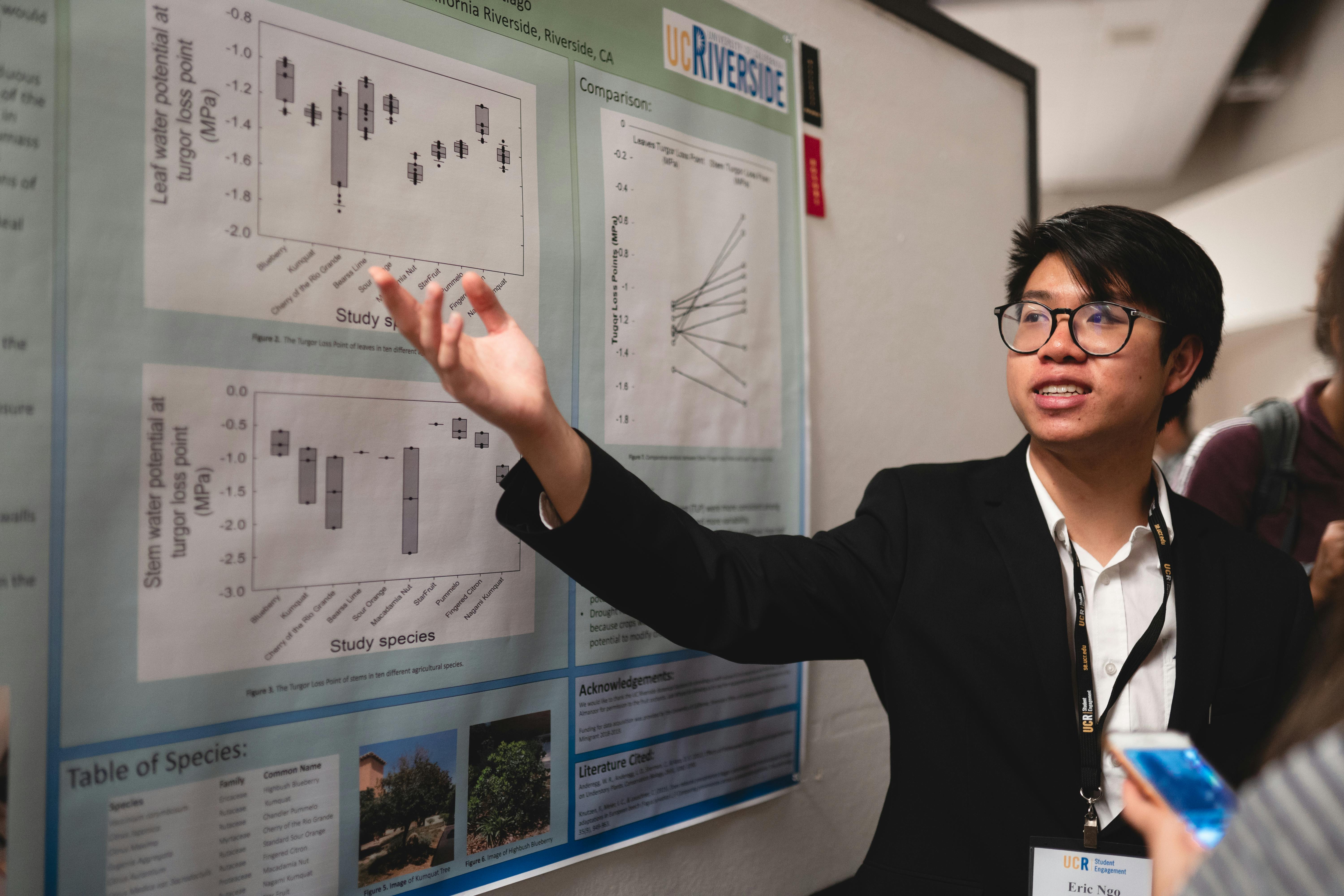
Unlike academic audiences who might linger over detailed methodology, practicing clinicians need immediate clarity about your findings and their clinical relevance. They want to know: Does this change how I treat patients? Will this impact my practice? Can I trust these results?
The most successful medical posters answer these questions within the first glance. We have seen too many brilliant research projects fail to communicate their value because researchers focused on impressing peers rather than serving their audience.
Design Principles That Make Medical Conference Posters Scannable
Effective poster design starts with understanding how busy clinicians process visual information. Research shows that medical professionals scan content in predictable patterns, looking for key information anchors before deciding whether to invest more time.
Your poster layout should guide this scanning behavior. Place your most compelling finding in the upper third of the poster where eyes naturally land first. Use white space generously to prevent cognitive overload. Remember that cramped designs signal complexity, while clean layouts suggest clarity of thought.
Typography plays a crucial role in scanability. Your title should be readable from 10 feet away, typically requiring 72-point font or larger. Body text needs to be at least 24 points for comfortable reading at arm's length. Avoid decorative fonts that slow reading speed.
Color choices matter more than you might think. High contrast between text and background reduces reading fatigue. Use color strategically to highlight key findings rather than decorating every element. A limited color palette of two to three colors creates professional cohesion while improving focus.
Simplifying Complex Medical Outcomes for Quick Comprehension
Clinical research often involves intricate statistical analyses and multiple outcome measures. Your challenge is distilling this complexity into digestible insights without losing scientific rigor.

Start with your primary endpoint and build everything around it. Secondary outcomes and subgroup analyses can appear in supporting sections, but your main finding deserves prominent placement and clear visualization.
Replace dense statistical tables with intuitive graphics whenever possible. Forest plots work well for meta-analyses, while simple bar charts or infographics can communicate treatment effects more effectively than rows of p-values and confidence intervals.
Consider your audience's statistical literacy. While clinicians understand basic statistics, they appreciate clear interpretation over raw numbers. Instead of stating "RR 0.72, 95% CI 0.58-0.89, p=0.002," try "28% relative risk reduction in primary outcome (p=0.002)."
Context matters enormously for medical audiences. Always include baseline characteristics and standard care comparisons. Clinicians need to understand how your study population relates to their patient mix and whether your intervention represents a meaningful improvement over current practice.
Emphasizing Clinical Takeaways That Matter
The most impactful medical posters bridge the gap between research findings and clinical practice. This means going beyond statistical significance to address practical significance and implementation considerations.
Your conclusions section should answer the "so what?" question explicitly. Instead of restating results, focus on implications for patient care. What should clinicians do differently based on your findings? Are there specific patient populations who would benefit most?
Include practical implementation details when relevant. Dosing protocols, timing considerations, contraindications, and monitoring requirements help clinicians envision incorporating your findings into practice. This practical focus distinguishes medical conference presentations from purely academic ones.
Address limitations transparently but constructively. Clinicians appreciate honest assessment of study constraints and generalizability. Frame limitations as opportunities for future research rather than fatal flaws that invalidate your work.
Consider including a brief "Clinical Bottom Line" section that summarizes key takeaways in bullet points. This gives time-pressed readers a quick way to capture your main messages without reading the entire poster.
Creating Effective Medical Conference Poster Content Structure
Successful medical posters follow a logical flow that mirrors clinical thinking. Start with the clinical problem or question that motivated your research. This context helps readers understand why your work matters and how it fits into existing knowledge.
Your methods section should be concise but complete enough to assess study quality. Clinicians care most about study design, population characteristics, sample size, and primary endpoints. Detailed statistical methods can often be condensed into a few sentences or moved to smaller text.
Results need careful organization to support quick comprehension. Lead with your primary outcome, followed by key secondary endpoints and safety data. Use visual hierarchy to guide attention to the most important findings first.
The discussion section offers your biggest opportunity to connect with clinical audiences. Address how your findings compare to existing guidelines and standard practice. Acknowledge conflicting evidence and explain how your work helps resolve uncertainties.
Include author information and contact details prominently. Medical conferences often lead to collaborative opportunities, and interested clinicians should be able to reach you easily for follow-up discussions.
Visual Design Elements That Enhance Medical Poster Impact
Visual design serves communication, not decoration. Every design choice should either improve comprehension or reduce cognitive load for your audience.
Consistent spacing and alignment create visual calm that helps readers focus on content rather than fighting layout chaos. Use a grid system to organize elements logically and maintain professional appearance.
Graphics should simplify complex information rather than merely illustrating it. Patient flow diagrams, treatment timelines, and mechanism illustrations can convey information more efficiently than text descriptions.
Quality matters enormously for credibility. Pixelated images, inconsistent fonts, or obvious design amateur mistakes undermine confidence in your research quality. Invest time in professional presentation or create with Graffiy to ensure your poster reflects the quality of your science.
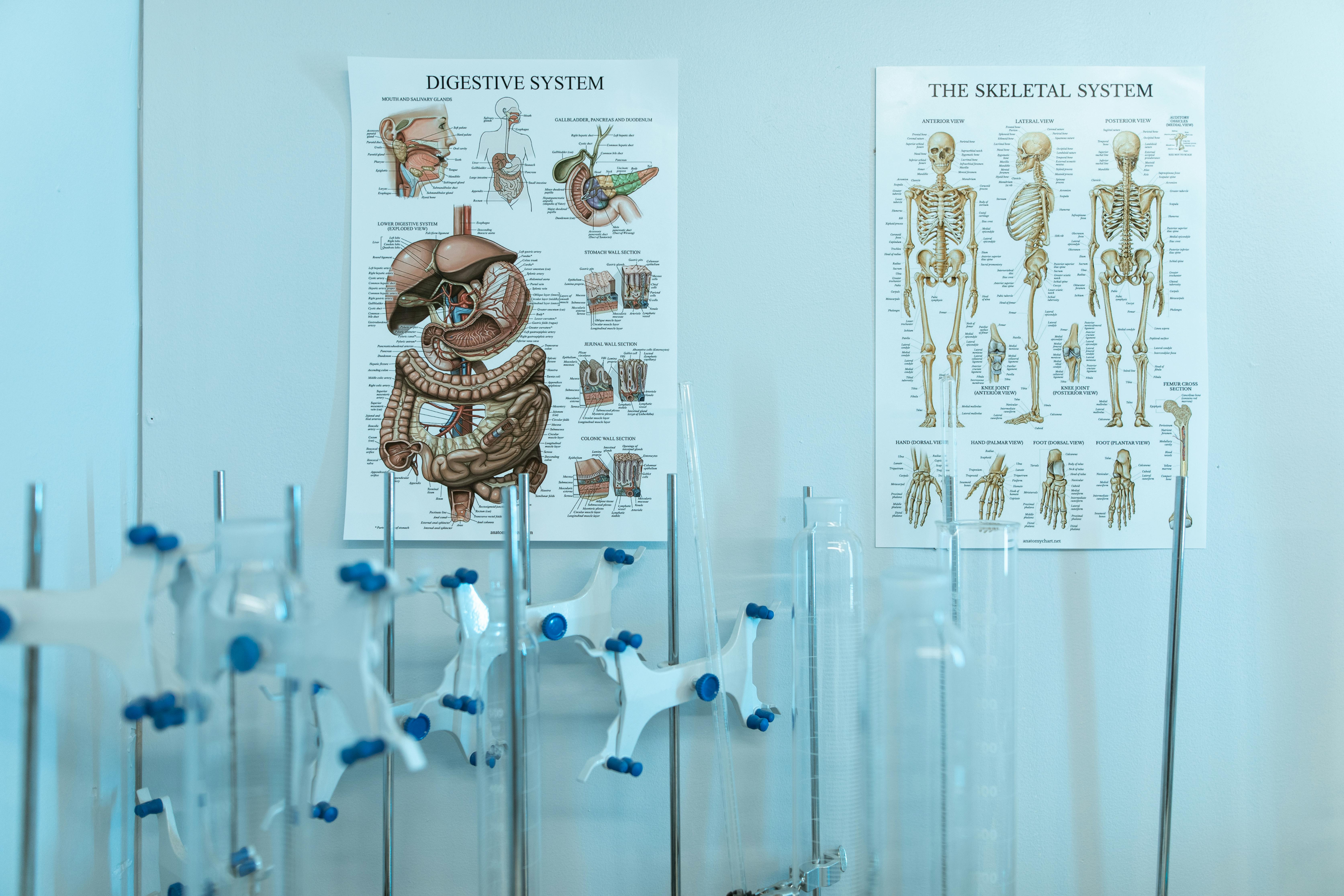
Consider the physical constraints of poster sessions. Your poster will be mounted on a board, often with others nearby, under varying lighting conditions. Design choices that work on computer screens might fail in real-world display environments.
Common Mistakes That Kill Medical Poster Effectiveness
We have observed recurring mistakes that prevent otherwise excellent research from reaching its intended audience. The most common error is trying to include everything rather than focusing on key messages.
Text-heavy posters overwhelm busy readers who need quick information extraction. If your poster requires more than five minutes to understand, you have probably included too much detail or organized information poorly.
Poor quality visuals immediately signal amateur work to medical audiences accustomed to high publication standards. This includes low-resolution images, unclear charts, and inconsistent formatting throughout the poster.
Ignoring your audience represents another critical failure. Academic researchers sometimes present findings using language and concepts that resonate with statisticians but leave clinicians confused about practical implications.
Technical jargon without explanation alienates readers who might otherwise find your work relevant. Remember that medical conferences attract diverse audiences with varying expertise in your specific research area.
Preparing for Successful Poster Presentation Interactions
Your poster is only part of the communication equation. Successful medical conference presentations require preparation for conversations with interested clinicians who stop to discuss your work.
Prepare a 30-second elevator pitch that summarizes your key finding and its clinical significance. Many poster conversations start with "Can you tell me about your study?" and you need a concise, compelling response ready.
Anticipate common questions about your methodology, generalizability, and practical implementation. Clinical audiences often ask about patient selection criteria, adverse effects, and how findings compare to their current practice patterns.
Bring business cards or contact information for follow-up discussions. Medical conferences often plant seeds for future collaborations, grant applications, or implementation projects that develop months after the initial meeting.
Consider preparing take-away materials like summary handouts or QR codes linking to full publications. This allows interested clinicians to access detailed information later without requiring extensive note-taking during brief poster interactions.
Measuring and Improving Your Medical Poster Impact
Effective poster presentation involves continuous improvement based on audience feedback and engagement patterns. Pay attention to which sections generate questions and where conversations naturally focus.
Track the types of questions you receive during poster sessions. If multiple people ask for clarification about the same point, consider revising that section for future presentations to improve clarity.
Notice where people look first and longest when approaching your poster. This information helps optimize layout and content emphasis for maximum impact with your target audience.
Follow up on conference connections made during poster sessions. These relationships often prove more valuable than the immediate presentation itself, leading to research collaborations, speaking opportunities, or implementation partnerships.
Document lessons learned from each poster presentation to inform future conference communications. Small improvements in design, content organization, or interaction preparation can significantly enhance your research impact over time.
Frequently Asked Questions
How much text should I include on my medical conference poster?
Aim for no more than 300-400 words total across your entire poster. Busy clinicians need to extract key information quickly, so prioritize clear headlines, bullet points, and visual elements over dense paragraphs. Your poster should tell the story through graphics and minimal text.
What makes a medical conference poster effective for clinical audiences?
An effective medical conference poster answers the clinical relevance question immediately and presents findings in a scannable format. Focus on practical implications for patient care rather than just statistical results. Use clear visual hierarchy and professional design to build credibility with medical professionals.
How do I balance scientific rigor with simplicity in poster design?
Include all essential methodological details but organize them hierarchically by importance to clinical readers. Lead with your main finding and clinical implications, then provide supporting statistical information in smaller text or secondary sections. Transparency about limitations actually enhances rather than undermines scientific credibility.
Written by
Shobajo AbdulAzeez
Tags
Share this article