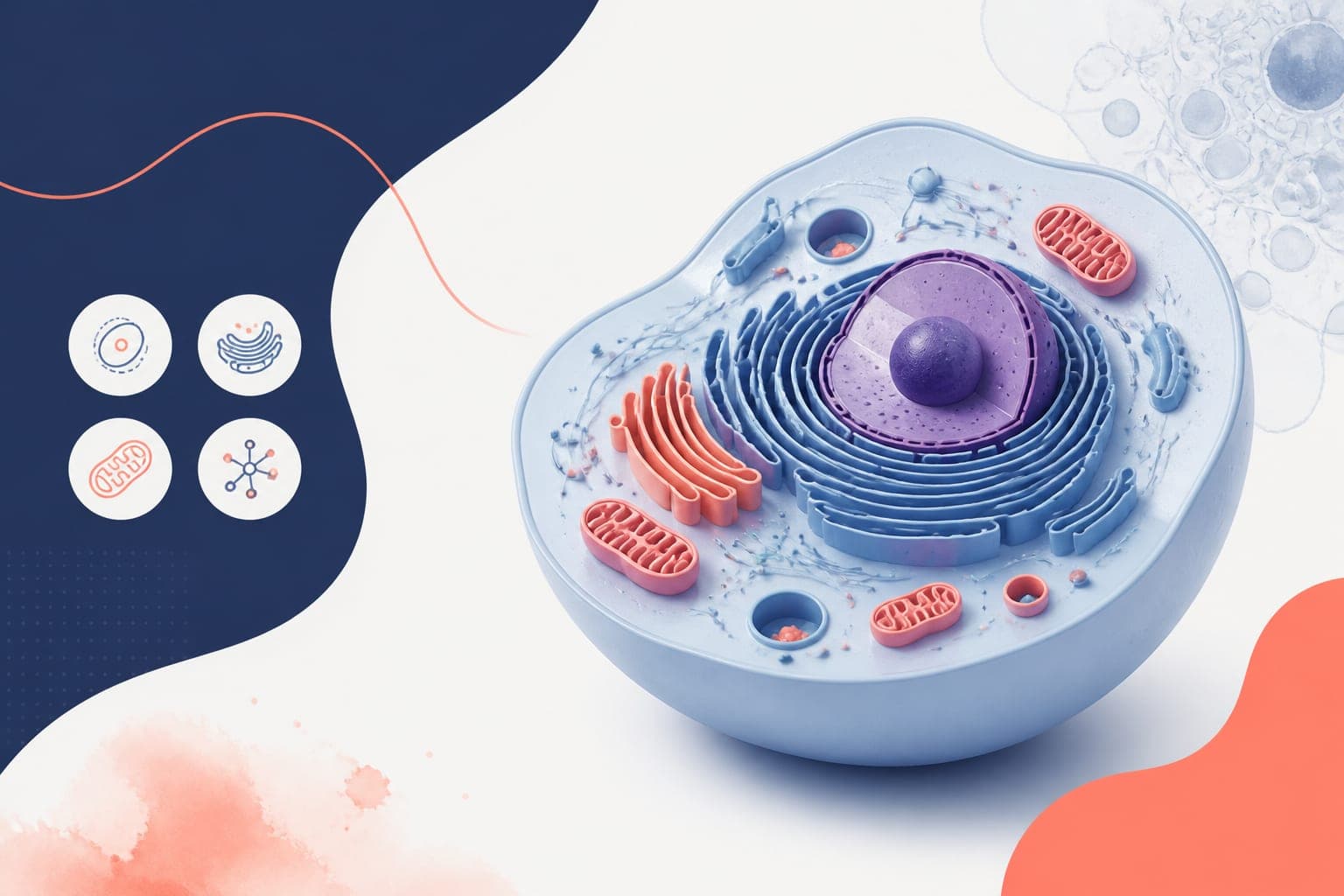
Smart Servier Medical Art: How to Use It the Right Way
In This Article
Servier Medical Art stands as one of the most comprehensive and widely-used collections of medical illustrations available to researchers, educators, and healthcare professionals. This extensive library, provided free of charge by Servier Pharmaceuticals, contains thousands of high-quality medical images covering anatomy, pathology, and medical procedures. However, using these resources effectively requires understanding proper attribution protocols, maintaining visual consistency, and implementing smart design strategies.
The platform offers remarkable flexibility for academic and educational use, but many users miss opportunities to maximize its potential. Whether you're preparing conference presentations, creating educational materials, or developing research publications, knowing how to navigate and utilize this resource properly can significantly enhance your visual communications.
We'll explore the essential techniques for leveraging this medical art collection while respecting copyright requirements and maintaining professional standards. From understanding attribution rules to creating cohesive visual narratives, this guide covers everything you need to know about using these medical illustrations effectively.
Understanding Servier Medical Art Attribution Requirements
Proper attribution represents the cornerstone of ethical Servier Medical Art usage. The platform operates under a Creative Commons license that requires specific acknowledgment practices, regardless of how you modify or incorporate the illustrations into your work.
The standard attribution format requires including "Servier Medical Art by Servier" along with the Creative Commons license information. This acknowledgment must appear prominently in your presentation or publication, typically on the same slide as the image or in a dedicated references section. For digital presentations, many users place the attribution directly below the image or in a footer area.
When modifying Servier illustrations, you must still provide full attribution even if you change colors, add text, or combine multiple images. The Creative Commons license specifically allows modifications, but the original source must always be credited. This applies whether you're using one image or incorporating dozens throughout a presentation.
For publications, attribution typically appears in figure captions or a dedicated acknowledgments section. Some journals have specific requirements for how to cite Creative Commons resources, so checking publication guidelines before finalizing your attributions is essential. The key principle remains consistent: always acknowledge Servier Medical Art as your source, regardless of modifications made.
Academic institutions often have their own guidelines for using Creative Commons materials in educational settings. These institutional policies may require additional documentation or specific formatting for attributions. Consulting with your institution's guidelines ensures compliance with both Servier's requirements and local policies.
Mastering Style Consistency Across Your Materials
Visual consistency transforms good presentations into professional, polished communications. When working with Servier Medical Art, establishing and maintaining a cohesive visual style requires careful planning and systematic approach to image selection and modification.

Color palette selection forms the foundation of visual consistency. Servier illustrations come in various color schemes, and randomly mixing these creates visual chaos. Instead, choose a primary color palette early in your project and systematically adjust all illustrations to match. Most image editing software allows easy color substitution, enabling you to maintain the high quality of Servier's artwork while creating visual harmony.
Typography consistency matters equally. If you add labels, callouts, or annotations to Servier illustrations, use consistent fonts, sizes, and positioning throughout your presentation. Creating a style guide document with your chosen fonts, colors, and layout conventions helps maintain consistency, especially when working with team members or across multiple presentation sessions.
Sizing and positioning create another layer of visual consistency. Establish standard dimensions for your illustrations based on your presentation format or publication requirements. Whether using single images, side-by-side comparisons, or multi-panel figures, consistent sizing creates professional polish that enhances your message rather than distracting from it.
Background treatments deserve careful consideration. Servier illustrations often work best with consistent background approaches, whether transparent, solid colors, or subtle gradients. Mixing background styles within a single presentation creates unnecessary visual complexity that can detract from your scientific content.
Effective Slide Design Strategies with Medical Illustrations
Strategic slide design amplifies the impact of Servier Medical Art while ensuring your scientific message remains clear and compelling. The key lies in balancing visual appeal with informational clarity, creating slides that engage audiences without overwhelming them.
Whitespace utilization proves crucial for effective slide design. Servier illustrations contain rich detail that requires breathing room to be fully appreciated. Cramming multiple complex illustrations onto single slides creates visual overload and reduces comprehension. Instead, use generous margins and spacing to allow each illustration to command attention and convey its intended information clearly.
Text integration requires careful consideration of hierarchy and placement. When combining Servier illustrations with text content, establish clear visual hierarchy through font sizes, weights, and positioning. Place key text elements where they naturally complement the illustration flow rather than competing for attention. This approach guides viewers through your content logically while maintaining visual appeal.
Animation and transitions can enhance Servier illustrations when used judiciously. Simple fade-ins, gentle zooms, or sequential reveals help focus attention and build understanding progressively. However, avoid excessive animation that distracts from scientific content. The goal remains clear communication, not entertainment.
Multi-panel layouts work particularly well with Servier Medical Art, allowing you to show progression, comparison, or multiple perspectives within cohesive visual frameworks. When creating multi-panel slides, maintain consistent sizing, alignment, and spacing between illustrations. This consistency helps viewers process complex information more efficiently.
Consider your audience's viewing conditions when designing slides with medical illustrations. Conference presentation rooms often have challenging lighting conditions, while educational settings may involve both projected and printed materials. Design slides that remain legible and impactful across various viewing scenarios by using appropriate contrast levels and sizing.
Advanced Integration Techniques and Best Practices
Sophisticated integration of Servier Medical Art into your scientific communications requires understanding advanced techniques that elevate your presentations beyond basic illustration usage. These approaches help create memorable, impactful visual narratives that enhance audience understanding and retention.
Layered storytelling represents one of the most powerful techniques for using medical illustrations effectively. Instead of presenting static images, build visual narratives that unfold progressively, using Servier illustrations as foundation elements that support increasingly complex concepts. This approach works particularly well for explaining pathophysiology, treatment mechanisms, or research methodologies.
Custom modification workflows can significantly enhance the utility of Servier illustrations. While the original images provide excellent starting points, thoughtful modifications can better align illustrations with your specific research context. This might involve adding pathway arrows, highlighting specific anatomical regions, or integrating data overlays that connect visual elements with your research findings.
Many users find success in creating hybrid visuals that combine Servier Medical Art with custom graphics, charts, or data visualizations. This integration requires careful attention to visual coherence, ensuring that added elements complement rather than clash with the illustration style. When done well, these hybrid approaches create unique visual communications that stand out in crowded academic environments.
Template development streamlines future projects while maintaining quality standards. Creating reusable slide templates that incorporate your preferred styling, layout conventions, and attribution formats saves time and ensures consistency across multiple presentations or publications. These templates become particularly valuable for research groups or educational institutions with ongoing presentation needs.
Quality control processes help maintain professional standards throughout your project development. This includes regular review of attribution accuracy, style consistency, and technical quality of any modifications made to original Servier illustrations. Establishing these review checkpoints prevents common errors that can undermine otherwise excellent presentations.
Cross-platform compatibility deserves consideration when preparing materials that may be viewed on different devices or presentation systems. Servier illustrations generally maintain quality across platforms, but testing your presentations on various systems helps identify and resolve potential display issues before important presentations or publication deadlines.
Creating Professional Presentations with Medical Art
Professional presentation development using Servier Medical Art requires systematic approach that balances visual impact with scientific rigor. The most effective presentations seamlessly integrate medical illustrations into cohesive narratives that advance understanding while maintaining audience engagement.
Storyboard development provides essential structure for presentation planning. Before selecting specific Servier illustrations, map out your presentation flow and identify where visual elements will most effectively support your message. This planning phase helps ensure that illustrations serve clear purposes rather than merely decorating slides with appealing graphics.
Audience consideration should drive illustration selection and presentation style. Clinical audiences may prefer detailed anatomical accuracy, while lay audiences might benefit from simplified, more conceptual approaches. Servier Medical Art's diversity allows you to match illustration complexity with audience expertise levels, enhancing communication effectiveness.
Integration with data presentations requires careful balance between illustration impact and quantitative information clarity. When combining Servier illustrations with research data, ensure that visual elements support rather than overshadow your findings. This might involve using illustrations as background elements, side panels, or transitional slides that provide context for data presentations.

Accessibility considerations ensure that your presentations reach all audience members effectively. This includes providing alternative text descriptions for complex illustrations, ensuring adequate color contrast for viewers with visual impairments, and designing slides that remain comprehensible when viewed in grayscale or printed formats.
Version control becomes crucial when working with teams or preparing presentations for multiple venues. Maintaining organized file structures, clear naming conventions, and change tracking helps prevent confusion and ensures that final presentations use approved illustrations with correct attributions.
The most successful presentations using Servier Medical Art create memorable visual experiences that enhance rather than replace scientific content. These presentations demonstrate respect for both the art resources and the audience by presenting information clearly, attractively, and professionally.
For researchers and educators looking to streamline their design workflow, platforms like create with Graffiy can complement Servier Medical Art usage by providing additional design tools and templates specifically created for scientific communications.
Troubleshooting Common Usage Issues
Even experienced users encounter challenges when working with Servier Medical Art, from technical difficulties to design problems that can impact presentation quality. Understanding common issues and their solutions helps maintain workflow efficiency and professional standards.
File format compatibility issues frequently arise when moving illustrations between different software platforms or presentation systems. Servier provides images in multiple formats, but choosing the wrong format for your specific use case can result in quality loss or compatibility problems. Vector formats work best for presentations that may be scaled significantly, while high-resolution raster formats suit publications or detailed printing requirements.
Color reproduction problems can occur when illustrations appear differently across various devices or presentation systems. This issue often stems from color space differences or display calibration variations. Testing your presentations on multiple systems and maintaining consistent color profiles throughout your workflow helps minimize these discrepancies.
Attribution placement challenges arise when slide layouts don't accommodate standard attribution formats without compromising visual appeal. Creative solutions include using slide footers, dedicated reference slides, or custom attribution boxes that integrate naturally with your presentation design while meeting requirement specifications.
Modification difficulties can occur when attempting to customize Servier illustrations beyond your technical skill level. Rather than compromising quality with poor modifications, consider working with graphic design professionals or learning basic image editing techniques that preserve illustration quality while meeting your customization needs.
Licensing confusion sometimes leads to inappropriate usage or inadequate attribution. The Creative Commons licensing framework provides clear guidelines, but consulting legal or institutional guidance for complex usage scenarios ensures compliance with both Servier requirements and institutional policies.
Quality degradation during editing represents another common issue, particularly when users apply excessive compression or inappropriate scaling to illustrations. Maintaining master files in high quality and creating working copies for editing helps preserve illustration integrity throughout your project development process.
Workflow bottlenecks often develop when teams lack clear procedures for selecting, modifying, and attributing Servier illustrations. Establishing team protocols and shared resource libraries streamlines collaboration while maintaining quality standards across multiple contributors.
Frequently Asked Questions
Do I need permission to modify Servier Medical Art illustrations for my research presentation?
No special permission is required to modify Servier Medical Art illustrations, as they're provided under Creative Commons licensing. However, you must still provide proper attribution to "Servier Medical Art by Servier" regardless of modifications made. The Creative Commons license specifically allows adaptations for educational and research purposes.
How should I properly cite Servier Medical Art in academic publications?
Proper citation should include "Servier Medical Art by Servier" along with Creative Commons license information, typically in figure captions or acknowledgments. Check your target journal's specific requirements for Creative Commons citations, as some publications have particular formatting guidelines. Always maintain attribution even when combining multiple illustrations or making significant modifications.
Can I use multiple Servier Medical Art images in a single presentation without individual attributions?
While you can use multiple images, each requires appropriate attribution or you can provide comprehensive attribution in a dedicated slide or section. Many presenters create a references slide listing all Servier Medical Art usage with proper Creative Commons acknowledgment. The key is ensuring clear attribution that viewers can easily identify and access.
Written by
Shobajo AbdulAzeez
Tags
Share this article