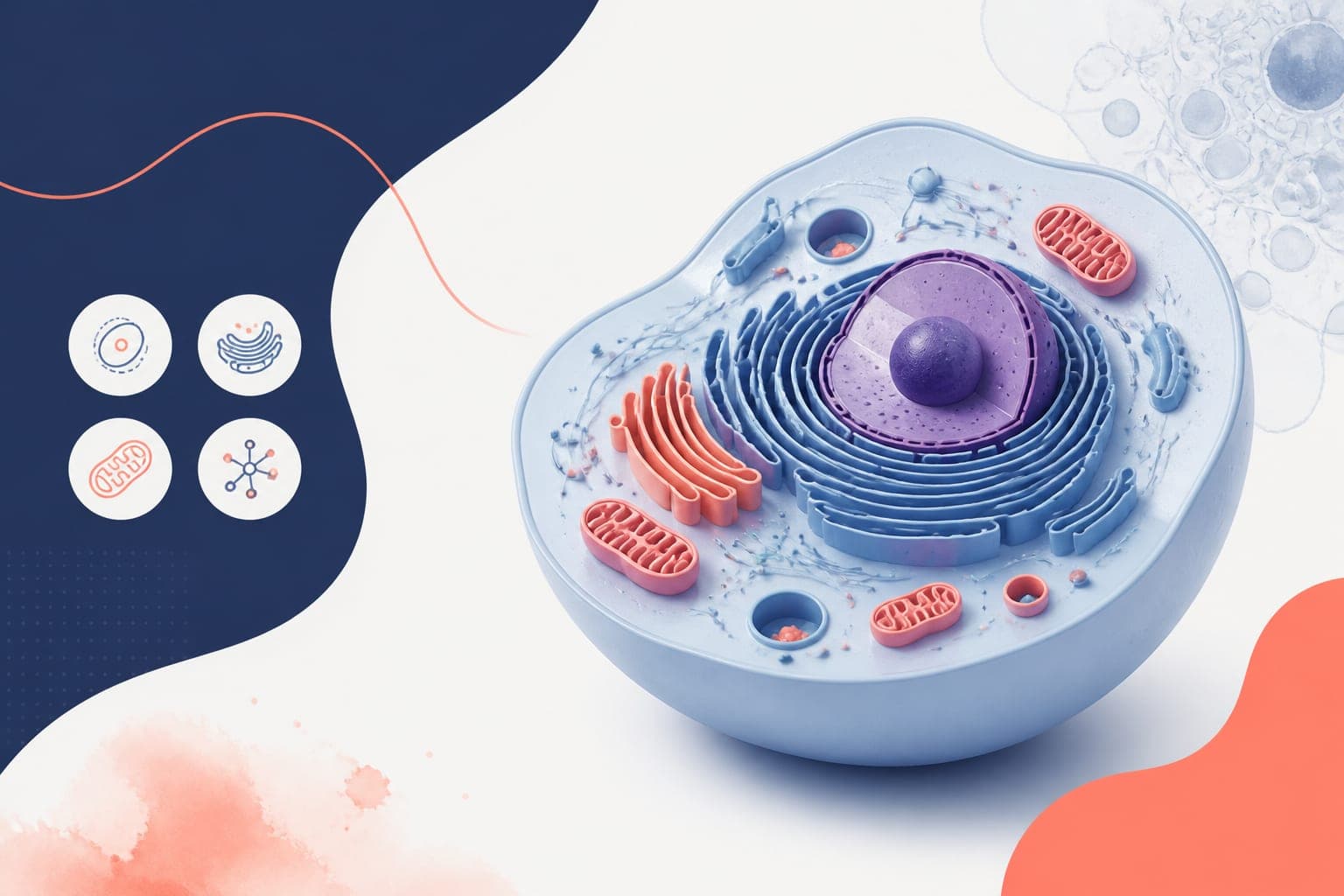
Free Medical Icons for Scientific Figures and Slides: 9 Sources Compared
In This Article
If you make posters, grant figures, lectures, graphical abstracts, or patient education slides, free medical icons can save hours. The hard part is choosing icons that are accurate, consistent, and safe to reuse. Some collections are great for anatomy, some fit clinical workflows, and others work best for public health or classroom diagrams. Below, we compare practical sources, including licensing notes, visual style, and best use cases.

One quick note before the list: icons are not decoration. In medical communication, they carry meaning. A poorly chosen organ icon, syringe symbol, or pathogen graphic can confuse readers. So, we are going to be picky. That is a good thing.
How we judged free medical icons for research and teaching
For this comparison, we looked at four things researchers and educators actually care about. First, does the source include medically specific concepts, not just generic hearts and crosses? Second, can you download editable files such as SVG? Third, is the license clear enough for posters, papers, lectures, and online materials? Fourth, do the icons look consistent when mixed into one figure?
Licensing deserves special attention. Free does not always mean restriction free. Some sources require attribution. Some allow personal and educational use but limit commercial reuse. Some icons are public domain, but the platform may still ask you to check source metadata. Before submitting a paper or distributing course content, read the license attached to the specific icon.
When you need custom figures rather than icon hunting, you can also create with Graffiy. Graffiy is built for scientific visuals, so you can turn concepts into polished diagrams without stitching together mismatched assets.
1. BioIcons: best for biology and biomedical mechanisms
BioIcons is one of the strongest sources for scientific and biomedical icons. It is especially useful for molecular biology, immunology, cell biology, microscopy, genetics, and lab workflows. If your medical figure explains a pathway, assay, cell type, receptor, or experimental design, start here.
The collection feels made by people who understand science. You will find icons for antibodies, cells, tissues, lab animals, organoids, viruses, bacteria, pipettes, sequencing, and common experimental tools. Many assets are available as SVG files, which makes them easy to recolor and edit in design software.
The main limitation is clinical coverage. BioIcons is excellent for mechanisms and research workflows, but less complete for hospital operations, patient care steps, or public health messaging. Still, it is one of the best free medical icons sources for biomedical researchers who need accuracy over generic symbolism.
Best use cases
- Graphical abstracts for biomedical papers
- Mechanism figures in immunology, oncology, microbiology, and genetics
- Methods diagrams for assays and lab workflows
- Teaching slides about cells, tissues, pathogens, and instruments
2. Health Icons: best for clinical workflows and global health
Health Icons is a focused icon set for health systems, care delivery, and public health communication. It includes patient care, diagnostics, medications, body systems, maternal health, community health, and health service icons. The style is simple, readable, and presentation friendly.
This is a practical source when you need to explain a clinical pathway. For example, you might show screening, triage, lab testing, diagnosis, treatment, follow up, and surveillance. Icons can help readers understand the sequence before they read the labels. That matters in conference posters, where attention is limited.
Health Icons works well for global health educators because many symbols are broad and accessible. The downside is that some icons are intentionally generic. They may not be specific enough for advanced anatomy or specialty medicine. Use labels when a symbol could be interpreted more than one way.

3. Noun Project: largest variety, but check every license
The Noun Project has a huge library, including many free medical icons for anatomy, health care, pharmacy, epidemiology, surgery, assistive devices, and education. Its biggest strength is breadth. If you need a rare symbol, such as an infusion pump, sleep study, dermatology lesion, telemedicine visit, or rehabilitation device, you may find several options.
The tradeoff is consistency. Icons come from many creators. Stroke width, level of detail, angle, and visual tone can vary wildly. If you combine ten icons from ten designers, your figure may look patched together. That is acceptable for quick internal slides, but not ideal for a journal figure or polished course module.
Licensing also needs care. Free use often requires attribution, depending on the icon and plan. If attribution is not practical in a scientific figure, consider whether you need a paid license or a different source. Researchers should be careful here, especially for published graphics.
Best use cases
- Finding unusual clinical or device icons
- Drafting quick lecture visuals
- Supplementing another icon set with one missing concept
- Creating simple patient journey maps
4. Font Awesome: best for interface style medical icons
Font Awesome is not a medical illustration library, but it includes useful health related symbols. You can find icons for hospitals, user doctors, capsules, syringes, stethoscopes, notes, beds, wheelchairs, lungs, hearts, and alerts. The style is clean and consistent, which is a major advantage.
Use Font Awesome when you are building dashboards, app mockups, clinical data interfaces, or slide layouts that need small, crisp symbols. It also works well for legends, section labels, and process diagrams. Because the icons are designed as interface elements, they remain readable at small sizes.
The limitation is scientific detail. These are not anatomy illustrations, and they do not explain mechanisms. A lung icon may work for a section header, but it will not show bronchi, alveoli, or pathology. Pair Font Awesome with more specialized sources when your figure needs biological precision.
5. Wikimedia Commons: best for public domain and historical medical visuals
Wikimedia Commons is not a neat icon set, but it can be valuable for public domain medical images, diagrams, and symbols. You may find anatomy drawings, public health signage, hazard symbols, historical illustrations, and vector graphics. It is especially useful when you need a specific public domain asset rather than a modern icon pack.
The benefit is transparency. Many files include source, author, license, and history. The drawback is search friction. You may need to filter through old scans, inconsistent styles, or files that are not truly icon ready. Always inspect the license on the file page, not just the preview.
Wikimedia Commons is best for educators who need context, history, or open source diagrams. For polished scientific figures, you will usually need to redraw, simplify, or restyle the asset so it matches your slide deck.
6. CDC Public Health Image Library: best for public health context
The CDC Public Health Image Library is a credible source for public health visuals. It is not primarily an icon library, but it includes images and illustrations related to pathogens, prevention, clinical signs, public health practice, and laboratory work. For infectious disease teaching, it can be extremely useful.
Use it when authority matters. A CDC source can be helpful in lectures about outbreaks, vaccination, hygiene, surveillance, vector borne disease, or laboratory safety. Some visuals may be more photographic or illustrative than icon based, so they need thoughtful adaptation.
Because the library includes many types of media, check each item before reuse. Look for credit, restrictions, and context. Public health visuals can be sensitive. Avoid using dramatic pathogen imagery just to make a slide look exciting. Accuracy and proportion are better than fear.
7. OpenMoji: best for friendly education visuals
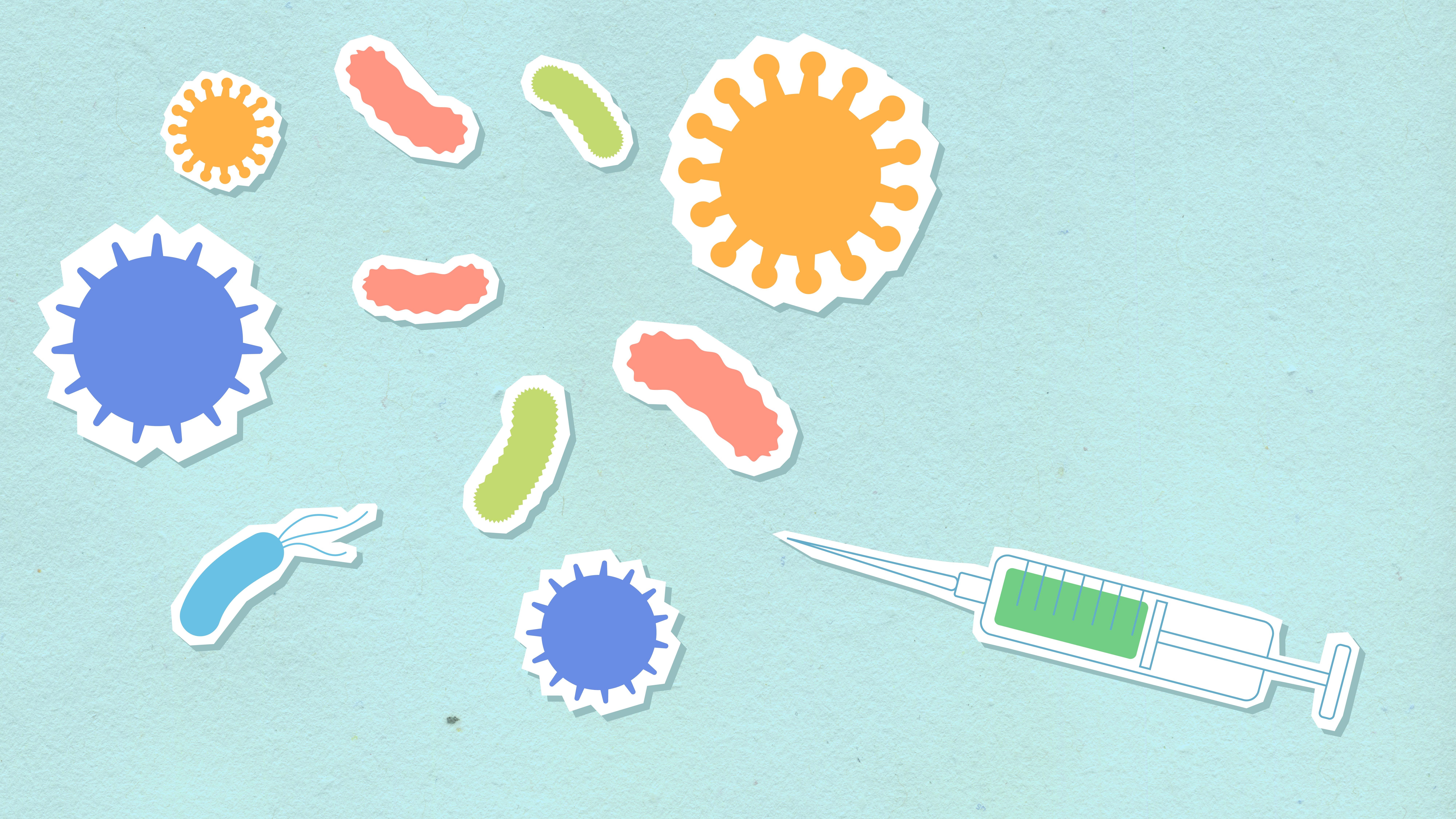
OpenMoji is a free emoji and icon style collection that can work well in medical education, especially for introductory teaching. It includes people, body parts, emotions, accessibility symbols, objects, lab items, and health related symbols. The style is friendly, colorful, and approachable.
This source is useful when you teach broad audiences. For example, you might use OpenMoji in nursing education, patient communication, high school biology, or public outreach. The icons feel less formal than many scientific packs, which can reduce intimidation for learners.
However, this style is not always suitable for research figures. Emojis can feel casual in a manuscript or grant. Use them when warmth and accessibility matter more than technical detail. For specialist audiences, choose a more restrained visual system.
8. Flaticon: broad coverage with strong filtering
Flaticon offers a large number of medical and health care icons across many styles. You can find anatomy, hospitals, insurance, pharmacies, diagnostics, wellness, telehealth, dental care, mental health, and public health themes. The search and filtering tools are useful when you need icons quickly.
The main advantage is convenience. You can often find a complete pack with related icons, which helps maintain consistency. The packs may include outline, filled, flat color, gradient, or three dimensional styles. For teaching slides, a coherent pack can look much better than random individual downloads.
The caution is licensing. Free downloads may require attribution, and terms can differ by asset and account type. Also, some styles look too playful or commercial for scientific figures. For journal graphics, choose simple outline or flat icons and avoid glossy effects.
9. Institutional and government icon sets: best for trusted education materials
Many universities, public health agencies, and government programs publish icon sets for health campaigns, accessibility, safety, or community education. These can be excellent for medical educators because they often follow plain language and accessibility principles. They may also be designed for diverse audiences.
The challenge is discovery. These sets are scattered across agency websites, campaign pages, and resource libraries. Search with specific terms, such as vaccination icons, mental health icons, disability symbols, emergency preparedness icons, or anatomy teaching icons. Add site filters for government or university domains when appropriate.
Institutional icons are usually strongest for public communication. They are less useful for detailed biomedical mechanisms. Still, they can be a good choice when your priority is trust, clarity, and a non commercial visual tone.
Quick comparison table for free medical icons
| Source | Best for | Strength | Watch out for |
|---|---|---|---|
| BioIcons | Biomedical mechanisms | Scientifically relevant SVG icons | Less complete for clinical operations |
| Health Icons | Clinical and global health workflows | Clear health service symbols | Some concepts are broad |
| Noun Project | Rare medical concepts | Huge variety | Mixed styles and attribution needs |
| Font Awesome | Interfaces and dashboards | Consistent small icons | Limited scientific detail |
| Wikimedia Commons | Open diagrams and historical visuals | Transparent file metadata | Requires careful filtering |
| CDC PHIL | Public health teaching | Authoritative source | Not mainly an icon pack |
| OpenMoji | Friendly education | Accessible and colorful | May feel informal |
| Flaticon | Fast slide building | Large themed packs | License and style vary |
How to choose icons for anatomy, workflows, public health, and education
For anatomy, choose accuracy first. A simplified organ icon is fine for a section label, but not for teaching structure. If you discuss vasculature, lobes, ducts, or pathology, use an icon or illustration that shows those features clearly. Avoid cute anatomy when precision matters.
For clinical workflows, consistency matters more than detail. A pathway figure should guide the eye from one step to the next. Use icons with the same stroke weight and visual scale. Then add short labels. Icons alone rarely communicate a full protocol.
For public health, consider culture, accessibility, and emotional tone. A mask, syringe, or virus icon can carry political and emotional baggage. Use neutral visuals. Show people with dignity. Avoid stigmatizing groups, diseases, or behaviors.
For medical education, match the learner level. First year students may benefit from simplified symbols and color cues. Residents and specialists may need more detailed visuals. Instructors often overestimate how much a single icon can explain. Pair icons with labels, arrows, and concise captions.

Licensing checklist before you use free medical icons
Before you publish or present, run through a short licensing checklist. It may feel tedious, but it prevents avoidable problems later. Save the source URL, creator name, license type, and download date. If attribution is required, place it in a slide notes section, acknowledgments slide, figure caption, or credits page.
Check whether the license allows modification. Scientific figures often require recoloring, cropping, grouping, or simplifying icons. If modifications are not allowed, choose another asset. Also check whether commercial use is allowed if your work is connected to a course, textbook, sponsored project, startup, or paid workshop.
Finally, do not assume that a search result is safe because it says free. Free medical icons can still have rules. When in doubt, use icons with clear open licenses, create your own, or generate a custom scientific visual in a tool designed for research communication.
Design tips that make medical icons look publication ready
Good icons can still look messy if you use them poorly. Start with one visual style. Do not mix filled, outline, gradient, and cartoon icons in the same figure unless you have a strong reason. Keep stroke widths consistent. Align icons to a grid. Use no more than one or two accent colors.
Use labels generously. In medical figures, clarity beats minimalism. If an icon could mean physician, patient, hospital, or care team, label it. If a shape could mean virus, cell, or particle, label it. Your reader should not have to guess.
Respect scale and hierarchy. Important concepts should be larger or more central. Supporting concepts should be smaller. Use arrows, grouping boxes, and captions to show relationships. Icons are ingredients, not the whole meal.
Also check accessibility. Color should not be the only signal. Use patterns, labels, or shapes for key distinctions. Make sure small icons remain readable when projected in a lecture hall or reduced in a manuscript PDF.
Our practical recommendation
If you need free medical icons for biomedical research, start with BioIcons. If you are building clinical pathways or global health slides, try Health Icons. If you need one unusual symbol, search Noun Project or Flaticon, but check the license closely. For public health education, use CDC resources when authority and context matter.
For the cleanest results, do not collect icons randomly. Pick one main source, then supplement only when necessary. Recolor and resize carefully. Add labels. Keep attribution records. If the figure is important, consider building the whole visual as one coherent design rather than assembling it from spare parts.
Free resources are useful, but your scientific message is the priority. The right icon should make the concept easier to understand, not just fill empty space. Choose with care, and your figures and slides will look clearer, more credible, and easier to teach from.
Frequently Asked Questions
Where can I find free medical icons for scientific figures?
Start with BioIcons for biomedical mechanisms and Health Icons for clinical or global health workflows. You can also use Noun Project, Flaticon, Wikimedia Commons, and CDC resources, but check each license before reuse.
Can I use free medical icons in journal figures or conference posters?
Often yes, but it depends on the license attached to each icon. Some free icons require attribution, restrict commercial use, or limit modifications. Save the source and license details before submitting or presenting.
What makes a medical icon suitable for teaching slides?
A teaching icon should be clear at small sizes, visually consistent with the rest of the slide, and accurate enough for the learner level. It should also be paired with labels when the meaning could be ambiguous.
Written by
Shobajo AbdulAzeez
Tags
Share this article