
Tools & Resources
Mind the Graph Review: Is It Worth It for Researchers?
This Mind the Graph review breaks down everything researchers need to know, from icon quality and workflow to pricing and whether a smarter alternative exists.
This Mind the Graph review breaks down everything researchers need to know, from icon quality and workflow to pricing and whether a smarter alternative exists.

The Reactome icon library helps researchers turn complex pathways into clean, recognizable figures for manuscripts, posters, and abstracts.

An open access graphical abstract can travel far beyond the journal page, but only if the licensing is clear. This guide explains reuse rights, attribution, third-party assets, and safer source choices.
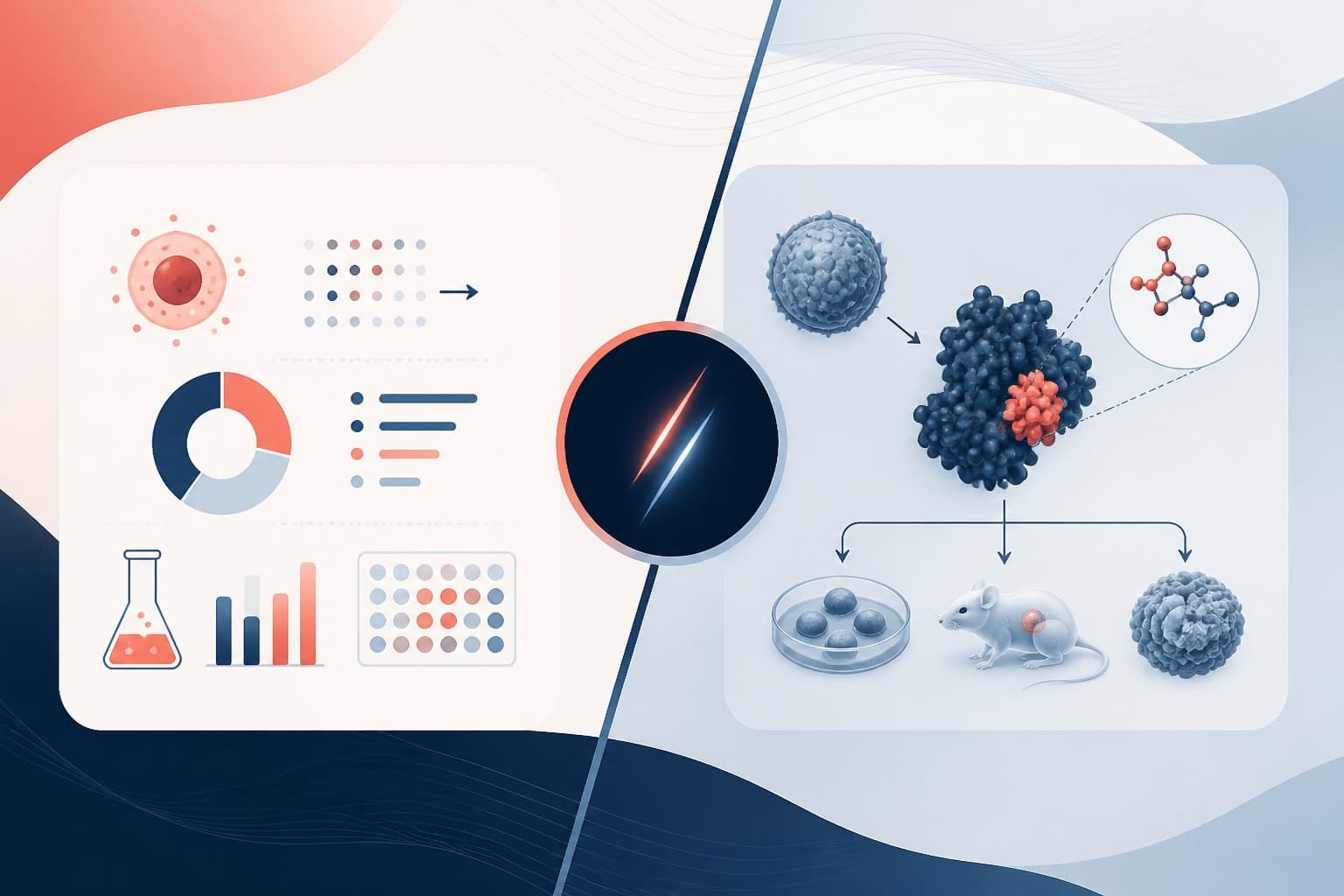
Choosing the right graphical abstract style between infographic and diagram approaches can make or break your research communication across different platforms.
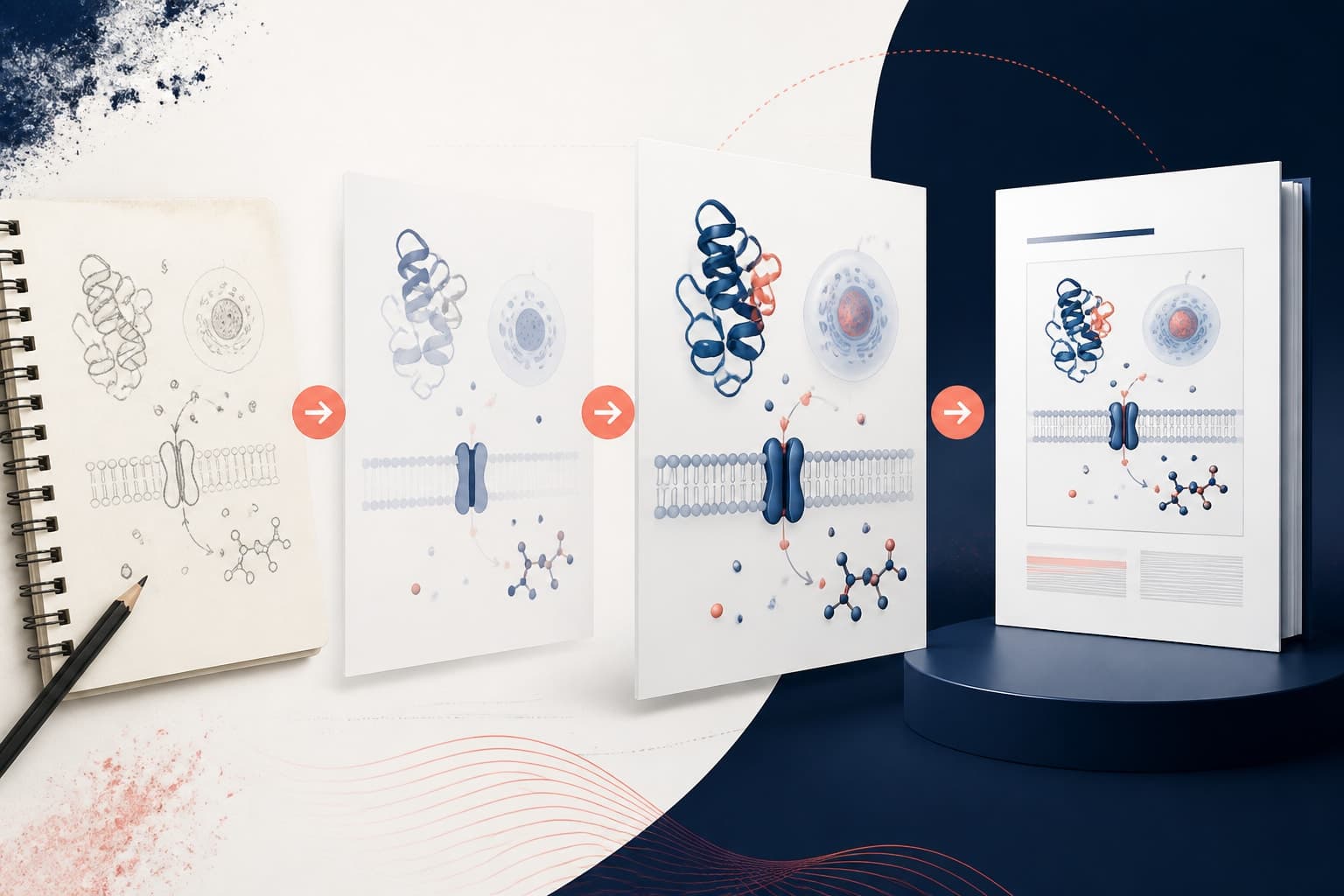
Transform your chaotic design process into a systematic graphical abstract workflow that moves smoothly from rough sketches to publication-ready visuals.

A graphical abstract for social media should explain your paper quickly, clearly, and accurately. This guide shows you how to design once, then adapt for posts, carousels, and newsletters.

Finding the right graphical abstract icons can make or break your research visualization, and these free libraries offer quality options without breaking your budget.

A review article graphical abstract should not look like a single experiment summary. This guide shows how to design one around structure, comparisons, and concept clarity.
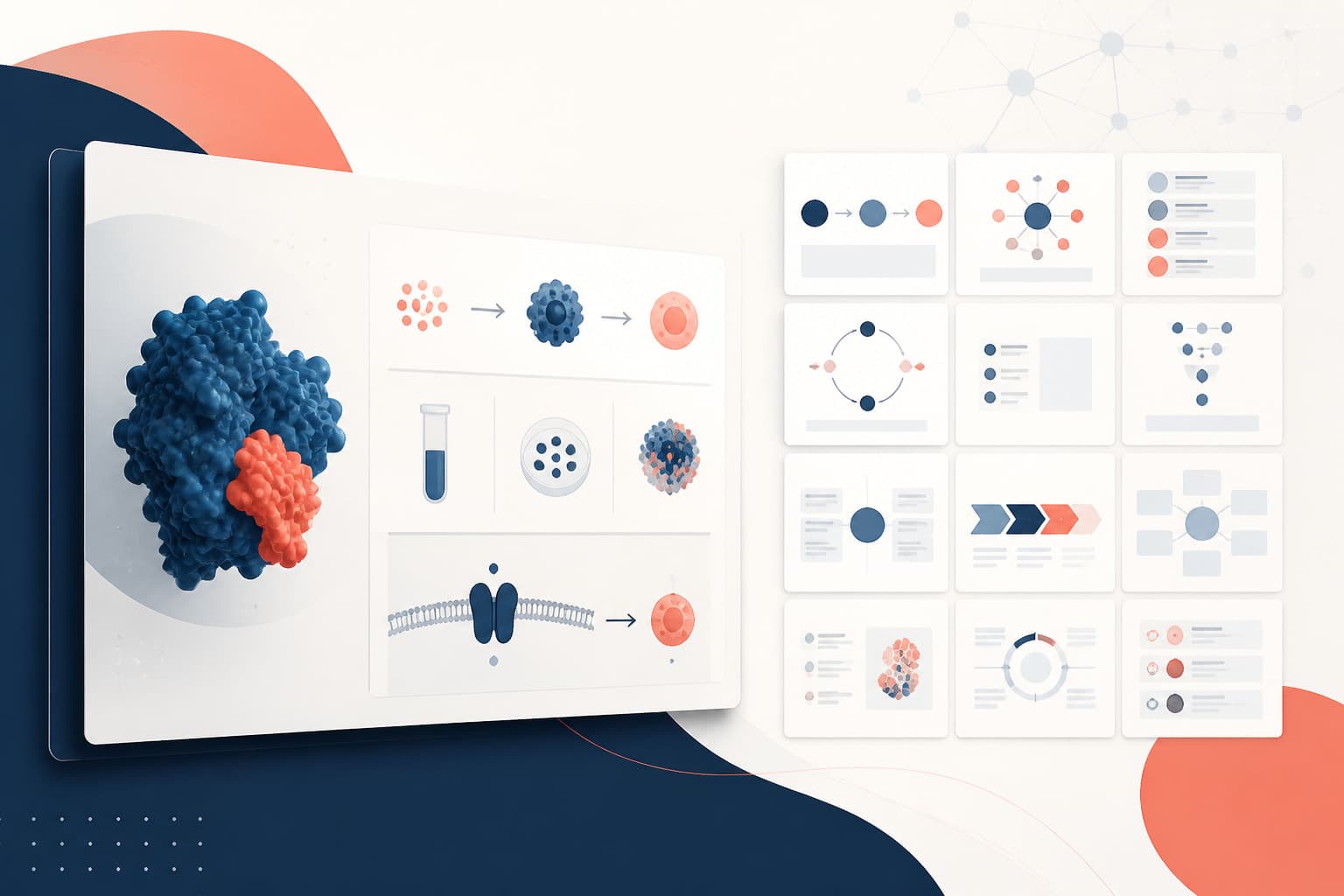
Save hours of design work with proven graphical abstract template structures that work for any research story. These reusable frameworks help you create compelling visuals fast.

This graphical abstract Inkscape tutorial shows researchers how to build a clean vector workflow, import icons, edit elements, and export publication-ready files.
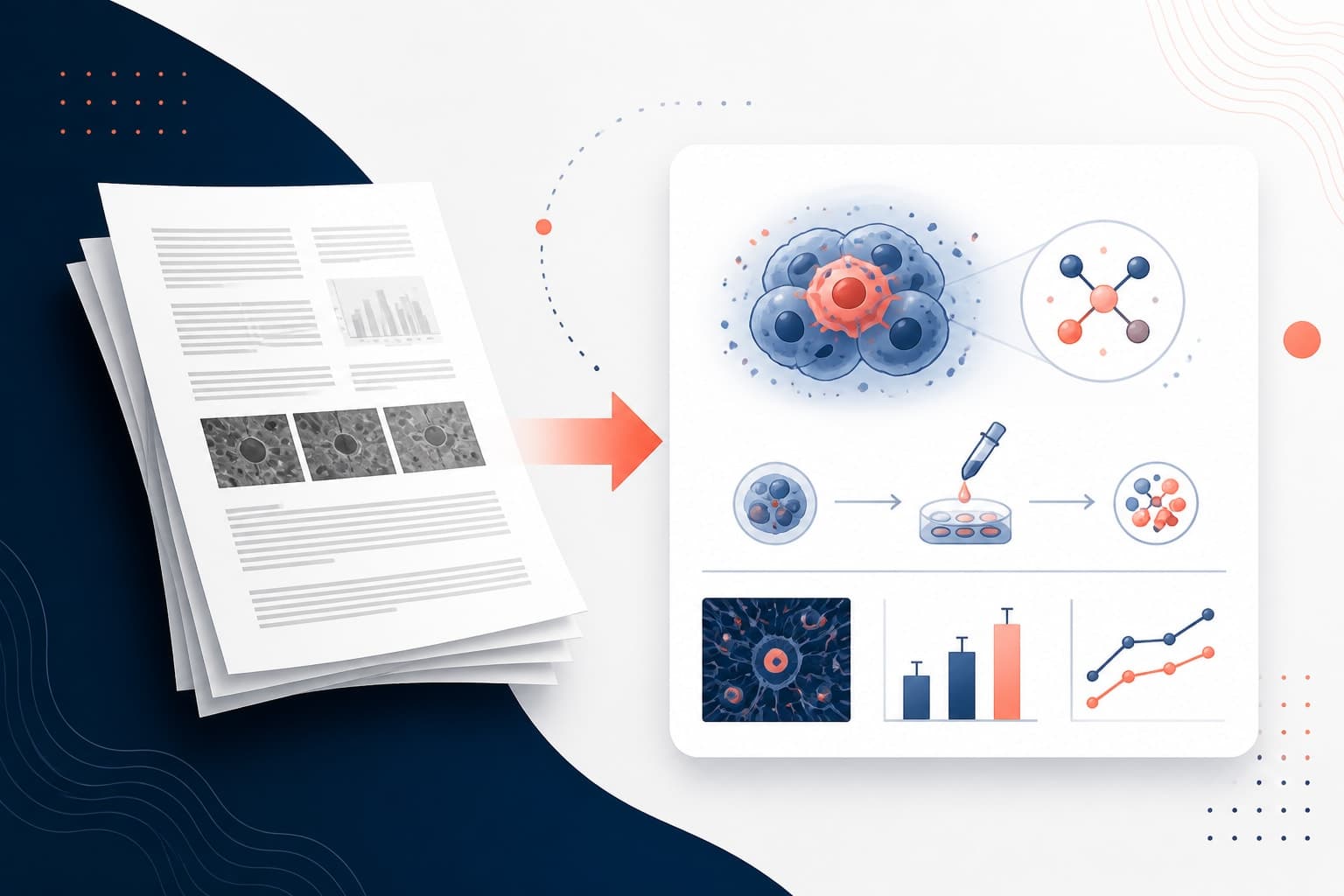
Master the art of transforming your research manuscript into a compelling graphical abstract that captures your key findings and methodology in a single, impactful visual.

An AI graphical abstract can speed up ideation and layout, but it should not replace scientific judgment. This guide shows you how to use AI responsibly from first prompt to final submission.
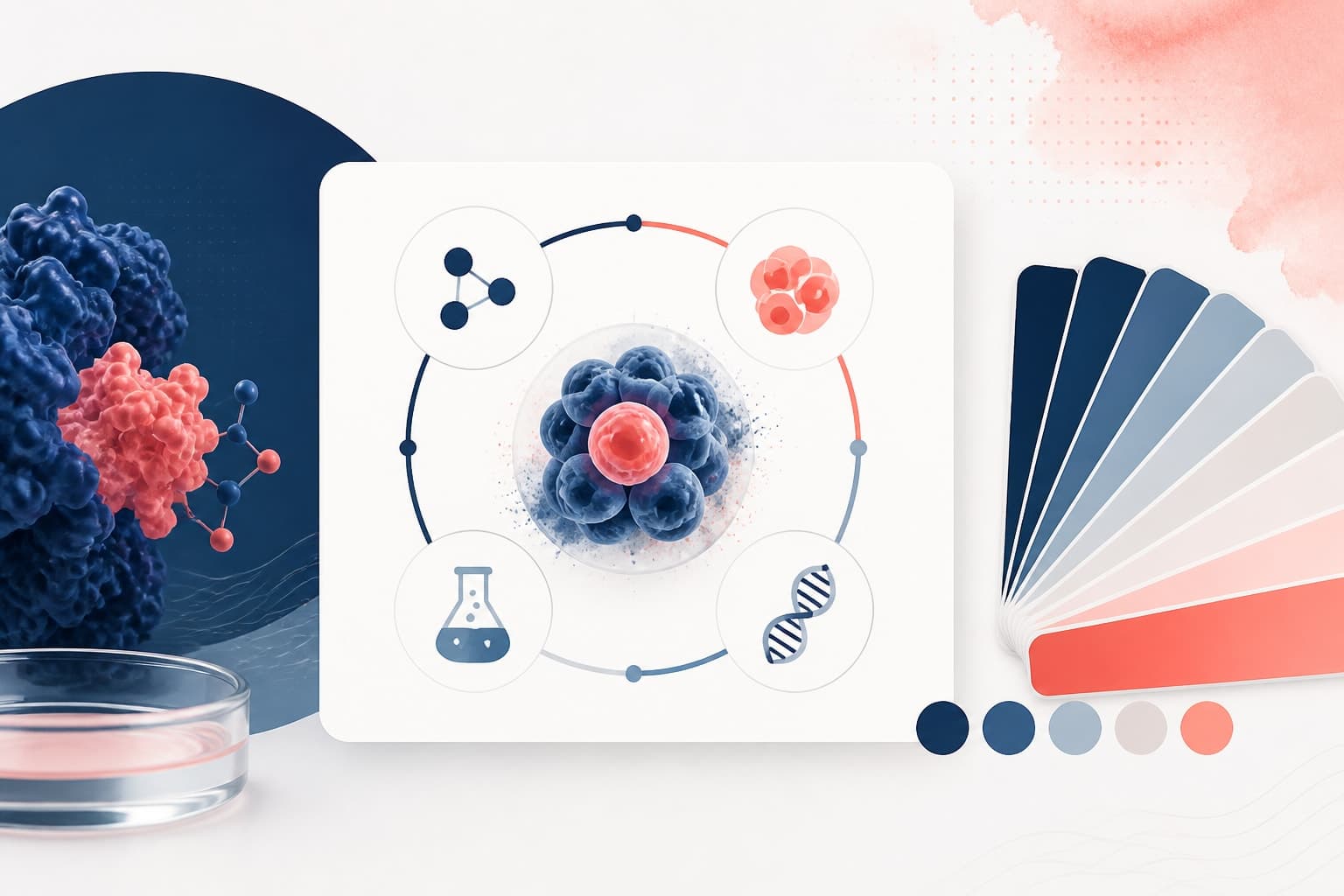
Creating an effective graphical abstract color palette requires balancing visual impact with scientific clarity and accessibility.

A chemistry graphical abstract should explain the central reaction, material, or mechanism before a reader reaches the first paragraph. This guide shows how to turn chemistry into a compact visual story.

A strong medical graphical abstract helps busy readers understand your study question, methods, outcomes, and clinical meaning in seconds. This guide shows you how to plan, design, and polish one for journals and research communication.
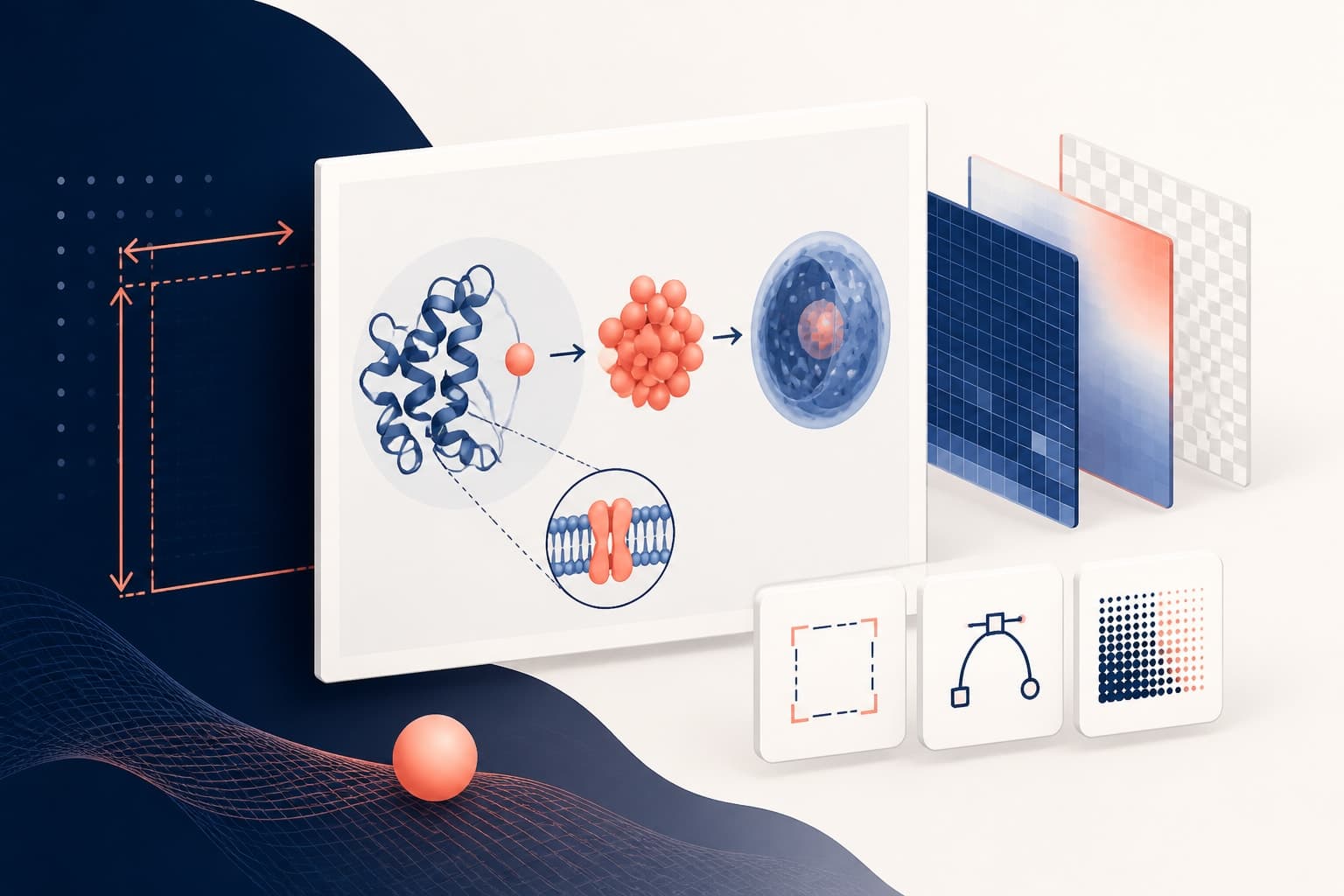
Getting graphical abstract dimensions right is crucial for journal submission. We break down publisher requirements into simple, actionable export rules.
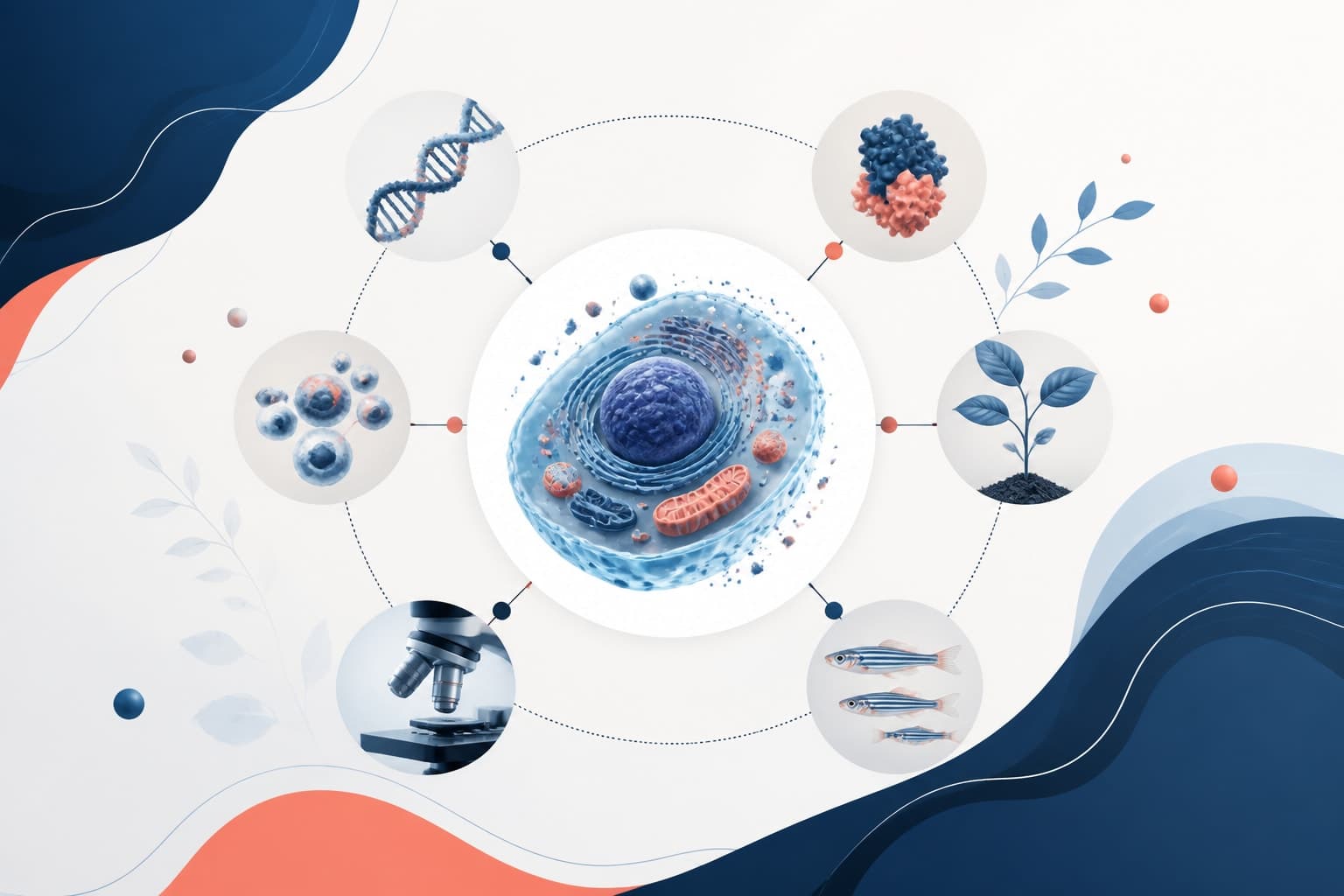
A biology graphical abstract should make your main finding easy to grasp before a reader reaches the full paper. This guide shows how to plan pathways, cells, icons, and readable story flow.
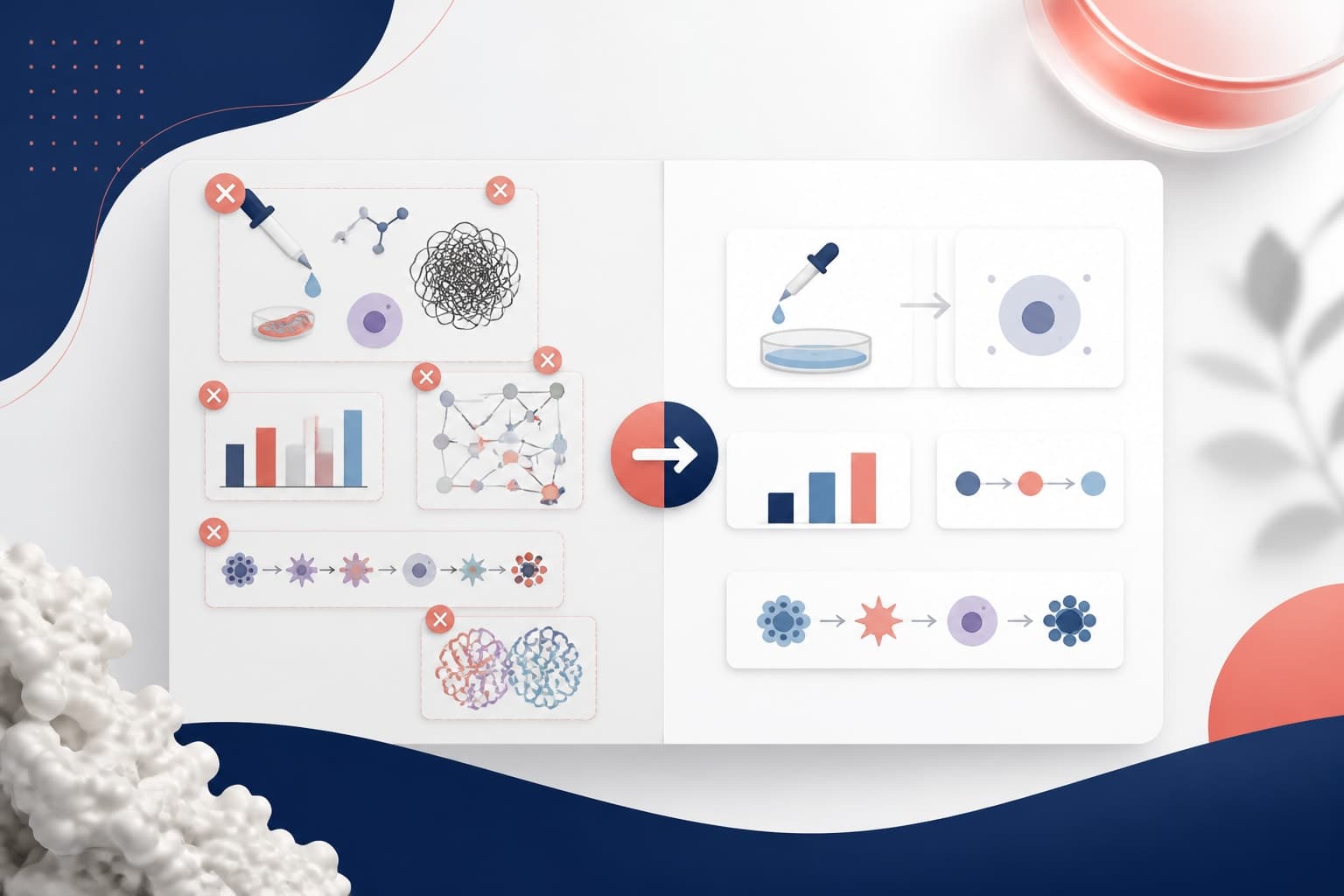
These five graphical abstract mistakes can derail your journal submission. Learn how to spot and fix them with practical examples.
This graphical abstract peer review checklist helps researchers and graduate students review clarity, claims, labels, visual flow, and journal expectations before peer review.

Master the art of creating compelling graphical abstract PowerPoint presentations with this comprehensive step-by-step tutorial.
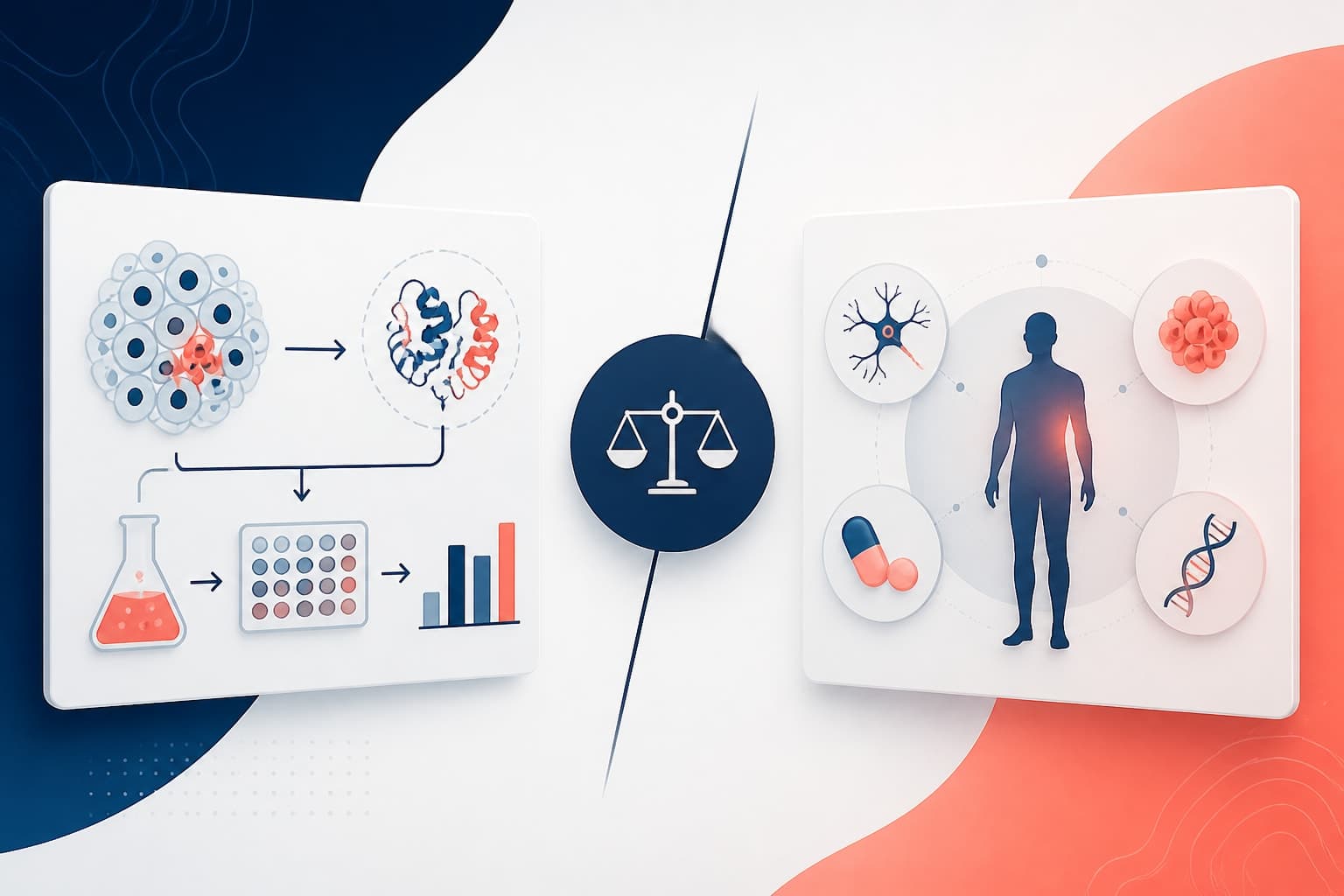
The distinction between graphical abstract vs visual abstract matters more than most researchers realize when communicating their scientific findings effectively.

These graphical abstract examples show how clarity, flow, and visual hierarchy can turn dense research into a fast, memorable visual story.

A hands-on comparison of the six leading AI design tools for researchers and scientists in 2026 — covering pricing, features, icon libraries, and export quality